 Save
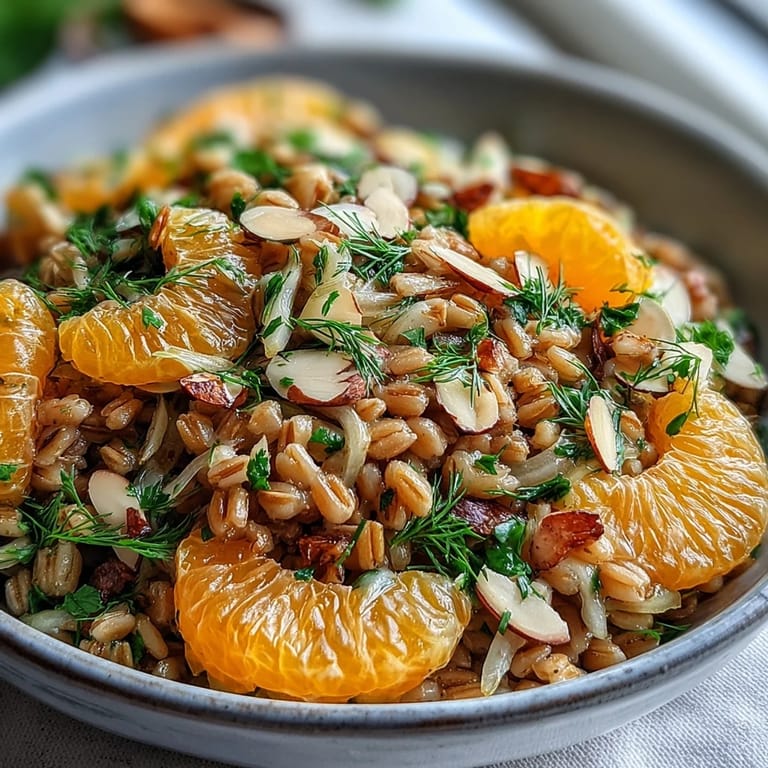
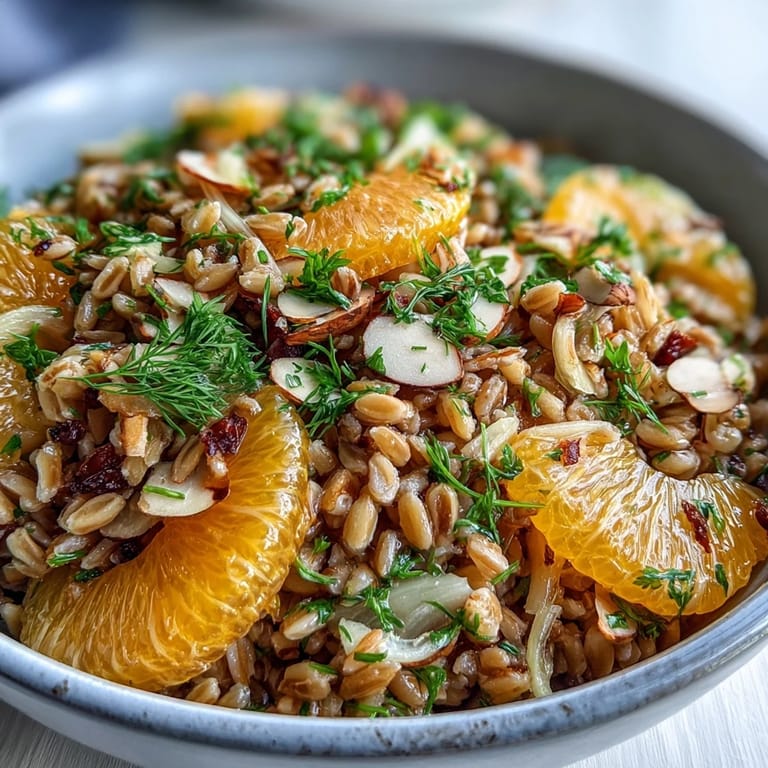
Save There's something about the way farro catches the light in a bowl that made me fall for this salad on a particularly gray Tuesday afternoon. My neighbor had just handed me a bunch of fresh fennel from her garden, still dewy and impossibly fragrant, and I needed to use it before it wilted. I started tossing things together almost on instinct—the nutty grain, bright citrus, peppery greens—and suddenly lunch felt less like an obligation and more like a small celebration of being alive in that moment.
I made this for a potluck once where I was genuinely nervous about what to bring, and I watched people go back for seconds in a way that felt almost urgent. My friend Marcus kept asking for the recipe while he was still chewing, which is the highest compliment I've ever received. That's when I realized this salad had crossed over from being just something I made for myself into being something that actually brings people together.
Ingredients
- Whole grain farro: This chewy, nutty grain is what makes this salad feel substantial and grounded—it holds the dressing beautifully without getting mushy if you're careful about the timing.
- Water and kosher salt: The salt in the cooking liquid seasons the grain from within, which is honestly the difference between farro that tastes like cardboard and farro that tastes like something you actually want to eat.
- Fennel bulb: Slice it thin enough that it's almost delicate, and it brings this subtle anise sweetness that makes people pause and ask what that flavor is.
- Oranges: Fresh segments work so much better than canned, and the juice you save becomes part of your dressing, so nothing goes to waste.
- Arugula or baby spinach: The peppery bite keeps everything from feeling too sweet, and it wilts just slightly from the warm farro in the best possible way.
- Fresh parsley: Don't skip this—it brightens everything up and makes the whole bowl look like you actually know what you're doing.
- Sliced almonds, toasted: Toasting them yourself makes them taste infinitely better than the raw ones, and the aroma while they're in the pan is honestly part of the experience.
- Extra-virgin olive oil: The good stuff matters here because it's the backbone of the dressing and there's nowhere to hide mediocre oil.
- Orange and lemon juice: Fresh squeezed, always—bottled juice will let you down, and you'll taste the difference immediately.
- Honey or maple syrup: Just a touch to balance the acidity and add a whisper of sweetness that makes everything taste more refined.
- Dijon mustard: This acts like a tiny miracle worker, emulsifying the dressing and adding this sophisticated, subtle kick.
- Sea salt and black pepper: Freshly ground pepper is non-negotiable here because pre-ground stuff has been sitting around too long and tastes like dust.
Tired of Takeout? 🥡
Get 10 meals you can make faster than delivery arrives. Seriously.
One email. No spam. Unsubscribe anytime.
Instructions
- Rinse and start the farro:
- Run that grain under cold water like you're giving it a little wake-up call, then combine it in a medium saucepan with water and salt. Bring everything to a boil, then lower the heat, cover the pot, and let it simmer quietly for 25 to 30 minutes until the grains are tender but still have that slight chew that makes farro special.
- Toast the almonds:
- While your farro is doing its thing, warm a dry skillet over medium heat and add the sliced almonds, stirring them almost constantly for 2 to 3 minutes until they turn golden and start to smell incredible. That's when you know they're done—trust your nose, not the clock.
- Build the salad base:
- Once the farro has cooled to room temperature, toss it into a large bowl with the thinly sliced fennel, orange segments you've carefully pulled apart, the arugula or spinach, and that fresh parsley. Everything should look vibrant and alive at this point.
- Make the dressing:
- In a small bowl or jar, whisk together the olive oil, fresh orange juice, fresh lemon juice, honey, Dijon mustard, salt, and pepper until it looks emulsified and glossy. Taste it straight from the whisk—this is your moment to adjust anything that feels off balance.
- Bring it all together:
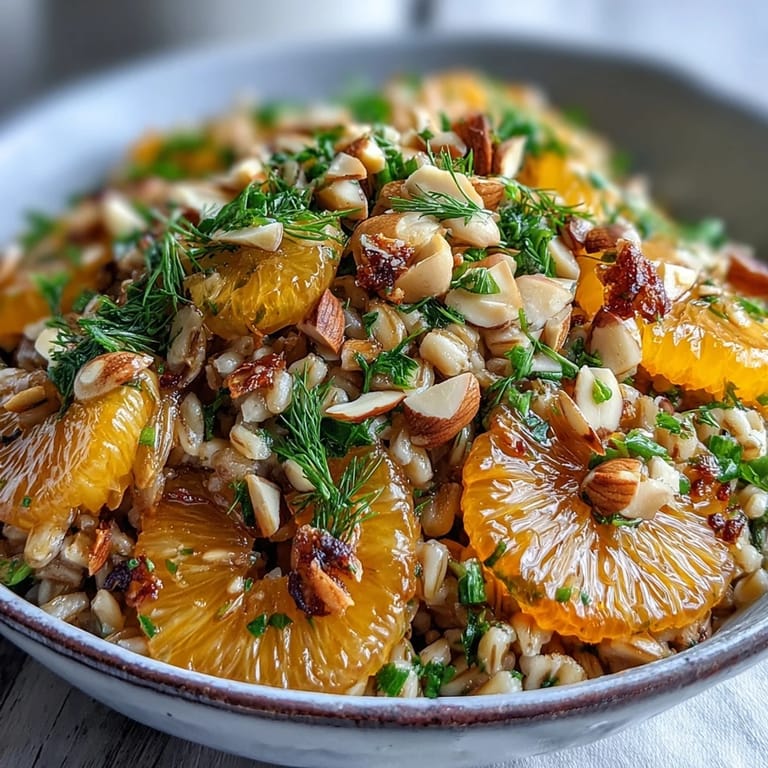
- Pour that dressing over your salad and toss everything gently but thoroughly so every component gets coated. Scatter the toasted almonds on top, garnish with any reserved fennel fronds if you have them, and serve immediately or chill it until you're ready.
 Save
Save My kid actually asked for this for dinner last week, which felt like some kind of victory in parenting. When you can get someone genuinely excited about a salad packed with whole grains and fennel, you know you've stumbled onto something real.
Why This Salad Stays Fresh
The magic of this salad is that it actually tastes better the next day because the farro soaks up all that citrus dressing and gets more flavorful as it sits. I've kept this in the fridge for three days and only eaten it because I had to, not because it had gone bad. Just store it in a covered container and give it a gentle stir before serving to redistribute everything.
Playing With Flavors
Once you've made this salad a few times, you start seeing all the ways you can adjust it to match your mood or what you have on hand. I've done it with blood oranges when regular ones looked tired at the market, and the color was almost theatrical. Sometimes I add chickpeas or roasted chickpeas for extra protein because my stomach is apparently never fully satisfied with just vegetables and grain.
Serving Suggestions and Storage
This salad is flexible enough to work as a main course or a side dish alongside grilled chicken or roasted fish. It also travels well if you're bringing it somewhere, though I always keep the dressing separate until the last minute if I know it's going to sit in a car or bag. The components stay happy together in the fridge for up to three days, though the fennel gets slightly softer as time goes on, which is honestly fine.
- Pair it with a crisp white wine like Sauvignon Blanc or even a light rosé if you're feeling summer-minded.
- Add grilled chicken, warm chickpeas, or crumbled goat cheese if you need more substance.
- Prep the components separately if you're making this ahead, then toss everything together right before eating for the crispest result.
 Save
Save This is the kind of salad that makes you feel like you're taking care of yourself while you're actually just enjoying your lunch. It's the balance we're all looking for—nourishing but not boring, simple but not plain.
Recipe Guide
- → Can I make this salad ahead of time?
Absolutely. This salad actually improves after sitting for a few hours as the flavors meld together. Store it in an airtight container in the refrigerator for up to 3 days. Add the toasted almonds just before serving to maintain their crunch.
- → What can I substitute for farro?
You can replace farro with other hearty grains like barley, wheat berries, or spelt. For a gluten-free option, quinoa or brown rice work beautifully and maintain similar cooking times and texture profiles.
- → How do I know when the farro is properly cooked?
Farro should be tender but still retain a slight chewy texture when done. It typically takes 25–30 minutes of simmering. Taste test a few grains—if they're soft throughout with a pleasant bite, they're ready. Drain any excess liquid before cooling.
- → Can I add protein to make it more filling?
This salad pairs wonderfully with grilled chicken, shrimp, or salmon. For plant-based protein, try adding chickpeas, white beans, or crumbled feta cheese. The dressing complements all these additions without overwhelming them.
- → What other citrus fruits work in this dish?
Blood oranges add stunning color and deeper flavor. Grapefruit provides a tangier note and pink hue. Even mandarins or cara cara oranges offer sweetness. Mix varieties for visual interest and complex citrus layers in every bite.
- → Should I serve this warm or chilled?
Both ways work beautifully. Slightly warm highlights the nutty farro flavor, while chilled makes it more refreshing on hot days. Let it cool completely before refrigerating if serving cold, and bring to room temperature for 15 minutes before eating.