 Save
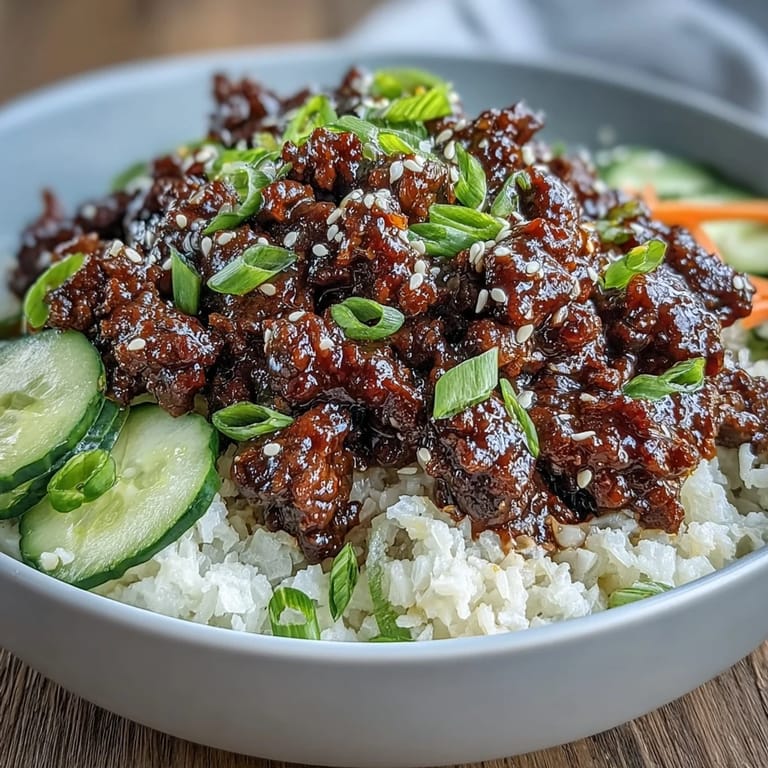
Save My neighbor knocked on my door one Tuesday evening holding a container of something that smelled like garlic, sesame, and pure comfort. She'd made Korean beef bowls for her family and brought me the leftovers, insisting I try it while it was still warm. I stood in my kitchen eating straight from the container, amazed that something so flavorful could come together in under half an hour. The next week, I was the one knocking on her door, asking for the recipe.
I started making this on nights when I got home late from work and needed something fast but didn't want to compromise on flavor. My partner would walk in, smell the sesame oil and garlic, and immediately relax. It became our reset meal, the thing we made when the week felt too long and we needed something that tasted like care without requiring much effort.
Ingredients
- Lean ground beef: The base of the dish, it soaks up the sauce beautifully and cooks quickly, though you can easily swap it for ground turkey or chicken if you prefer something lighter.
- Gochujang: This Korean chili paste is the soul of the recipe, bringing fermented depth and a gentle heat that builds rather than overwhelms.
- Low sodium soy sauce: It adds savory umami without making the dish too salty, and using low sodium gives you control over the final taste.
- Brown sugar: Just enough sweetness to balance the heat and saltiness, creating that signature Korean flavor harmony.
- Sesame oil: A little goes a long way, adding a toasted, nutty aroma that makes the whole kitchen smell incredible.
- Garlic and ginger: Fresh is best here, they bloom in the hot oil and give the beef a fragrant, warming base.
- Rice vinegar: A splash of acidity brightens everything and keeps the sauce from feeling heavy.
- Black pepper: Simple but essential, it adds a subtle sharpness that rounds out the flavor.
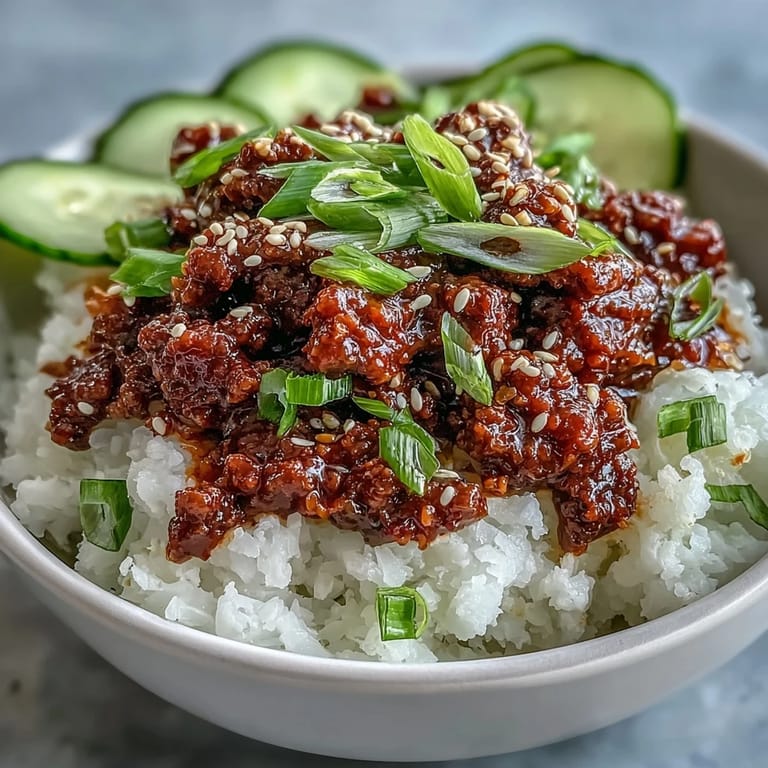
- Cooked rice or cauliflower rice: Your choice of base, regular rice is comforting and classic, cauliflower rice keeps it light and low carb.
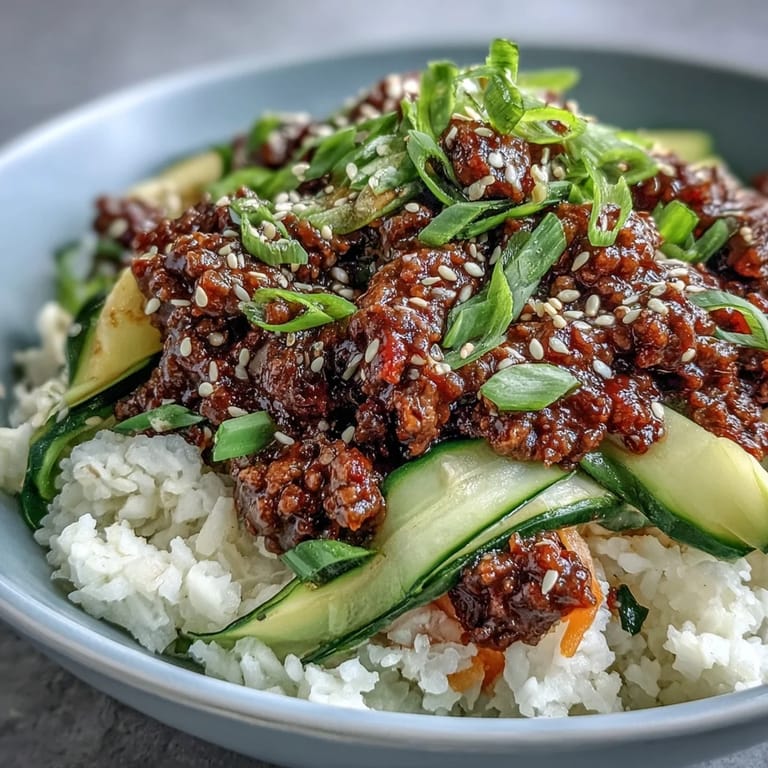
- Cucumber and carrot: Fresh, crunchy, and cool, they cut through the richness of the beef and add color to every bowl.
- Green onions and sesame seeds: The finishing touches that make it look and taste like something you'd order out.
- Optional red chili and kimchi: For those nights when you want extra heat or a funky, fermented kick on the side.
Tired of Takeout? 🥡
Get 10 meals you can make faster than delivery arrives. Seriously.
One email. No spam. Unsubscribe anytime.
Instructions
- Brown the beef:
- Heat the sesame oil in a large skillet over medium high heat, then add the ground beef and break it up with a spatula as it cooks for 4 to 5 minutes until browned and no longer pink. The oil will start to sizzle and the beef will release its juices, creating a savory base for the sauce.
- Add the aromatics:
- Toss in the minced garlic and grated ginger, stirring constantly for about a minute until they become fragrant and just start to turn golden. This step fills your kitchen with the most incredible smell, so don't skip it.
- Build the sauce:
- Stir in the gochujang, soy sauce, brown sugar, rice vinegar, and black pepper, mixing everything together until the beef is evenly coated. Let it simmer for 2 to 3 minutes, stirring occasionally, until the sauce thickens slightly and clings to the meat.
- Taste and adjust:
- Give it a quick taste and add more gochujang for heat, soy sauce for saltiness, or sugar for sweetness depending on your preference. Once it's just right, remove the skillet from the heat.
- Assemble the bowls:
- Divide your cooked rice or cauliflower rice among four bowls, then spoon the Korean beef generously over the top. The warm beef will slightly wilt the fresh toppings you're about to add, creating a nice contrast.
- Garnish and serve:
- Scatter the cucumber, carrot, green onions, and sesame seeds over each bowl, adding sliced chili or a scoop of kimchi if you like. Serve immediately while the beef is still hot and the vegetables are crisp.
 Save
Save One night, I made this for a friend who was going through a rough breakup. We sat on the couch with our bowls, and she said it was the first thing that week that made her feel like herself again. Sometimes food does that, it gives you a moment to pause and remember that good things still exist, even when everything else feels hard.
Choosing Your Rice Base
I've made this with both regular white rice and cauliflower rice more times than I can count, and honestly, both work beautifully. White rice is comforting and traditional, soaking up the sauce and making the bowl feel hearty and filling. Cauliflower rice keeps things lighter and lets the beef flavor shine without weighing you down, plus it cooks in half the time. On busy weeknights, I often use store bought microwaveable cauliflower rice and have dinner on the table in twenty minutes flat.
Adjusting the Heat Level
Gochujang can vary wildly in spiciness depending on the brand, so start with the two tablespoons and taste before adding more. If you're cooking for someone who doesn't do spicy food, you can cut it down to one tablespoon and add a bit more brown sugar to keep the flavor balanced. On the flip side, if you love heat like I do, stir in some gochugaru (Korean chili flakes) or drizzle sriracha over your finished bowl for an extra kick.
Making It Your Own
This recipe is incredibly forgiving and loves to be adapted. I've made it with ground turkey when I was trying to eat leaner, and it was just as delicious. A friend of mine adds a fried egg on top and lets the yolk run into the beef, which is absolutely genius. You can also toss in some sautéed mushrooms or spinach if you want more vegetables, or serve it in lettuce cups instead of over rice for a fun, crunchy twist.
- Try adding a handful of bean sprouts or shredded cabbage for extra crunch and freshness.
- If you have leftover beef, it makes an incredible filling for tacos or stuffed peppers the next day.
- Don't be afraid to play with the garnishes, avocado slices and pickled radish are both fantastic additions.
 Save
Save This bowl has become one of those recipes I make without thinking, the kind that feels like muscle memory now. I hope it becomes that for you too, a reliable, flavorful friend waiting in your back pocket for any night of the week.
Recipe Guide
- → What does gochujang taste like?
Gochujang delivers a complex balance of sweet, savory, and spicy flavors. It's a fermented Korean chili paste with deep umami notes from soybeans, natural sweetness, and a building heat that isn't overwhelming.
- → Can I make this dish gluten-free?
Yes. Simply substitute regular soy sauce with tamari and verify your gochujang brand is gluten-free. Most traditional gochujang contains wheat, but certified gluten-free versions are widely available.
- → Is cauliflower rice a good substitute?
Absolutely. Cauliflower rice absorbs the flavorful sauce beautifully while keeping the dish light and low-carb. It also adds volume without extra calories, making it ideal for lighter meals.
- → How spicy is this dish?
The base level delivers moderate heat from gochujang. You can easily adjust by adding more paste for extra spice or incorporating sriracha, fresh chilies, or reducing the amount for a milder version.
- → Can I use a different protein?
Ground turkey, chicken, or pork all work well in this dish. Lean turkey creates a lighter version while pork adds richness. Adjust cooking time slightly to ensure the meat is fully cooked through.
- → How long do leftovers keep?
The seasoned beef stores well for 3-4 days in the refrigerator. Reheat gently in a skillet, adding a splash of water if the sauce thickens. Serve over freshly cooked rice for best texture.