 Save
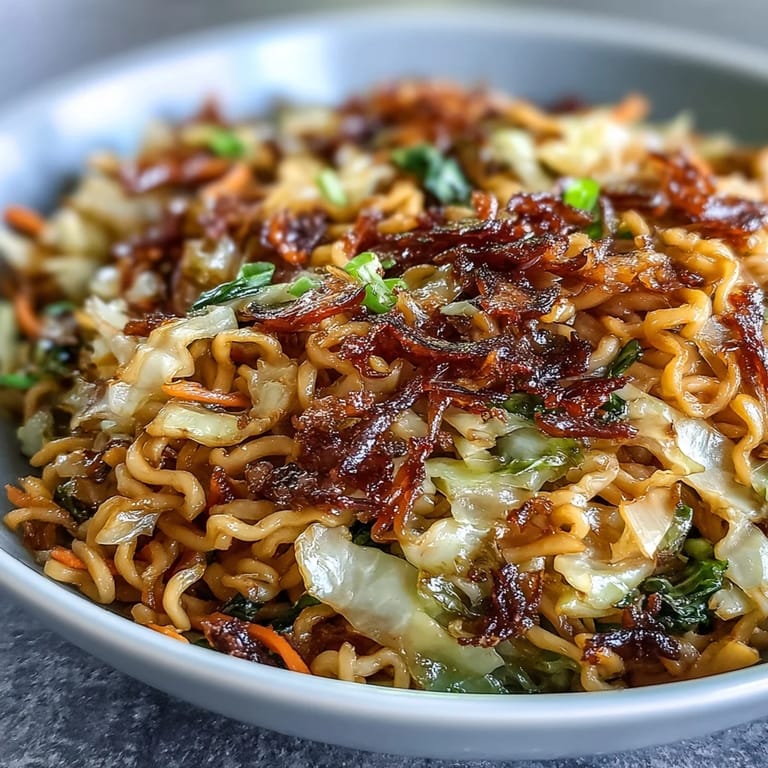
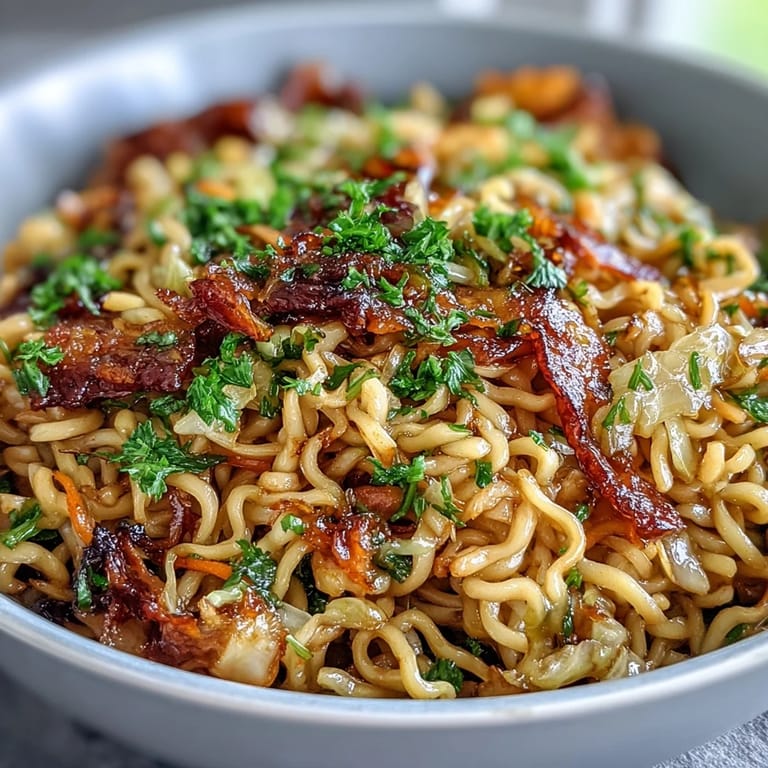
Save There's something about the sound of cabbage hitting hot oil that makes a weeknight feel less like survival and more like cooking. I discovered this dish on a particularly tired Tuesday when my fridge held nothing but half a head of cabbage, some ramen, and the vague hope that I could make something worth eating. Twenty-five minutes later, I had a bowl of something so satisfying that it's become my go-to when life gets chaotic and hunger won't wait.
I made this for my partner one rainy evening when we were both too tired to discuss dinner plans, and they actually asked for seconds, which never happens. Watching them eat something so simple with genuine appreciation reminded me that the best meals aren't complicated, they're just made with a little attention and care.
Ingredients
- Green cabbage (3 cups, thinly sliced): The star that transforms from raw and mild to nutty and slightly caramelized when it hits the heat, so don't skip slicing it thin.
- Carrot (1 medium, julienned): Adds a subtle sweetness that balances the savory sauce and provides pops of color and texture.
- Scallions (2, sliced with greens and whites separated): The whites cook down into the stir-fry for flavor, while the greens become your fresh finishing touch.
- Garlic and ginger (2 cloves minced, 1 tablespoon grated): These two create the aromatic foundation that makes your entire kitchen smell incredible within seconds.
- Instant ramen noodles (2 packs, seasoning discarded): Buy the cheap stuff and throw away those seasoning packets, because you're building something better here.
- Soy sauce (2 tablespoons): The salty backbone that brings everything together and reminds you this dish has depth.
- Oyster sauce (1 tablespoon): A secret weapon that adds umami depth you didn't know you were missing, or use mushroom sauce to keep it vegan.
- Toasted sesame oil (1 tablespoon): Never cook with this, only finish with it, because heat destroys the magic that makes it special.
- Rice vinegar (1 teaspoon): A tiny splash that brightens everything and prevents the dish from feeling too heavy.
- Sugar (1 teaspoon): A pinch that rounds out the flavors without making anything sweet.
- Chili flakes (1/2 teaspoon, optional): Add these if you want heat, or skip them if you prefer to let the other flavors shine.
- Vegetable oil (2 tablespoons): Use something neutral that can handle high heat without smoking up your kitchen.
Tired of Takeout? 🥡
Get 10 meals you can make faster than delivery arrives. Seriously.
One email. No spam. Unsubscribe anytime.
Instructions
- Start your noodles:
- Bring a pot of water to a boil and cook the ramen according to package instructions until they're just tender, then drain and set them aside. This gives you a clean slate because you're creating your own sauce, not using those seasoning packets.
- Mix your sauce while you wait:
- Whisk together the soy sauce, oyster sauce, sesame oil, rice vinegar, sugar, and chili flakes in a small bowl. Having this ready means you won't be scrambling with hot oil sizzling in front of you.
- Get your oil singing:
- Heat the vegetable oil in a large skillet or wok over medium-high heat until it's shimmering and almost smoking. This is the moment when you add the garlic, ginger, and white parts of the scallions, stirring constantly for about 1 minute until the smell hits you so hard you know something delicious is happening.
- Build your char:
- Add the sliced cabbage and julienned carrot, tossing them constantly for 4 to 5 minutes until the cabbage softens but still has some structure and the edges start to brown. This is where patience pays off, because rushing this step means losing the texture that makes the dish worth making.
- Bring it all together:
- Add your cooked noodles to the skillet, pour in the sauce, and toss everything for 2 to 3 minutes until it's hot, glossy, and every strand is coated. The pan might stick a little, but that's actually good because those browned bits are flavor.
- Finish and serve:
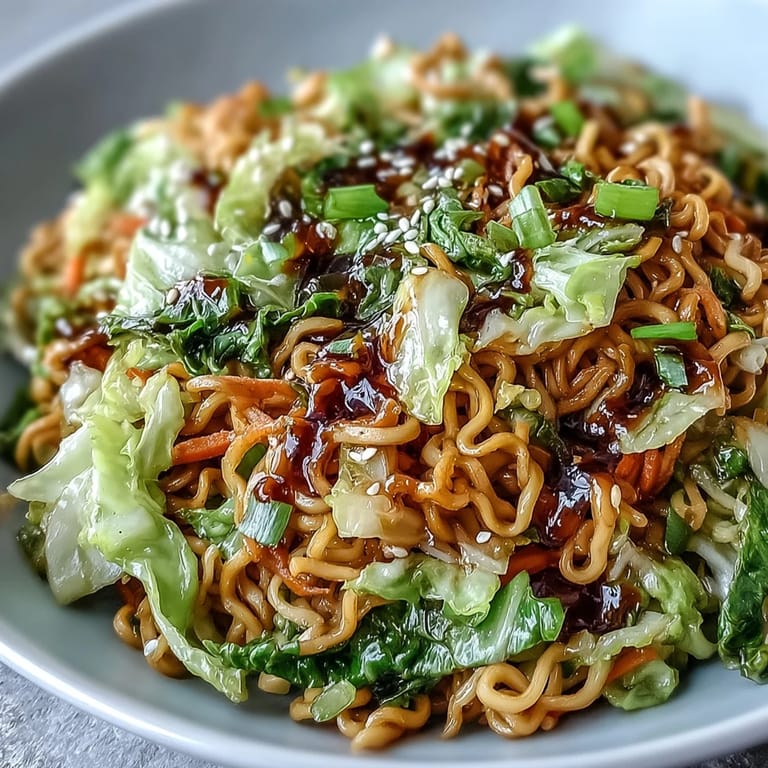
- Remove from heat, scatter the green parts of the scallions over the top, and serve immediately while everything is still steaming. This is the moment to eat it, not to let it sit around getting soggy.
 Save
Save I realized this dish became more than just food when my roommate started making it on their own nights, without asking how, just remembering the process from watching me. There's something small and wonderful about a meal simple enough to pass along.
Why the Cabbage Makes All the Difference
Most people overlook cabbage as boring, but when it's cut thin and hit with high heat, it transforms into something with real character. The outer leaves get crispy and slightly charred while the inner pieces stay tender, creating a textural contrast that makes you actually want to keep eating. I learned this after making watery, steamed cabbage stir-fries for years, always wondering why they felt so flat until I finally understood that heat and thinness were everything.
The Sauce is Your Playground
This particular combination of soy, oyster sauce, and sesame oil works because each element does something different, but you're not locked into following it exactly. If you like things spicier, add more chili flakes or a drizzle of sriracha at the end. If you want it tangier, increase the vinegar or add a squeeze of lime. The framework is solid, but the personality is yours.
Ways to Make It Your Own
This recipe is forgiving enough to handle whatever you throw at it, which is part of why it's become a regular in my rotation. Bell peppers, mushrooms, snap peas, or broccoli all work beautifully, and you can top it with a fried egg, crispy tofu, or cashews depending on what you're craving. Think of this less as a rigid recipe and more as a template for turning whatever's in your kitchen into something worth eating.
- Add a fried egg on top for protein and richness, letting the yolk become your sauce.
- Sprinkle with toasted sesame seeds or crushed peanuts for extra crunch and nutty flavor.
- Make it gluten-free by using tamari instead of soy sauce and checking that your noodles are certified gluten-free.
 Save
Save This dish taught me that some of the best meals come from working with what you have rather than what a perfect pantry might hold. It's become my answer to hungry nights, tired weekends, and moments when I need something satisfying without the fuss.
Recipe Guide
- → Can I use fresh noodles instead of instant ramen?
Yes, fresh ramen noodles, lo mein, or udon noodles work wonderfully. Cook according to package directions and proceed with the stir-fry as directed.
- → How do I make this dish vegan?
Replace oyster sauce with mushroom sauce or hoisin sauce, and ensure your noodles don't contain egg. All other ingredients are already plant-based.
- → What can I add for more protein?
Top with a fried or soft-boiled egg, pan-fried tofu, edamame, or grilled chicken. Stir in the protein during the final tossing step to heat through.
- → Can I prepare this ahead of time?
This dish is best served fresh for optimal texture. However, you can prep vegetables and sauce in advance, then cook just before serving to maintain the cabbage's crunch.
- → How do I store leftovers?
Store in an airtight container in the refrigerator for up to 2 days. Reheat in a skillet over medium heat, adding a splash of water or soy sauce to refresh the noodles.
- → What other vegetables work well in this stir-fry?
Bell peppers, snap peas, mushrooms, bok choy, or bean sprouts are excellent additions. Add heartier vegetables with the cabbage and delicate ones near the end of cooking.