 Save
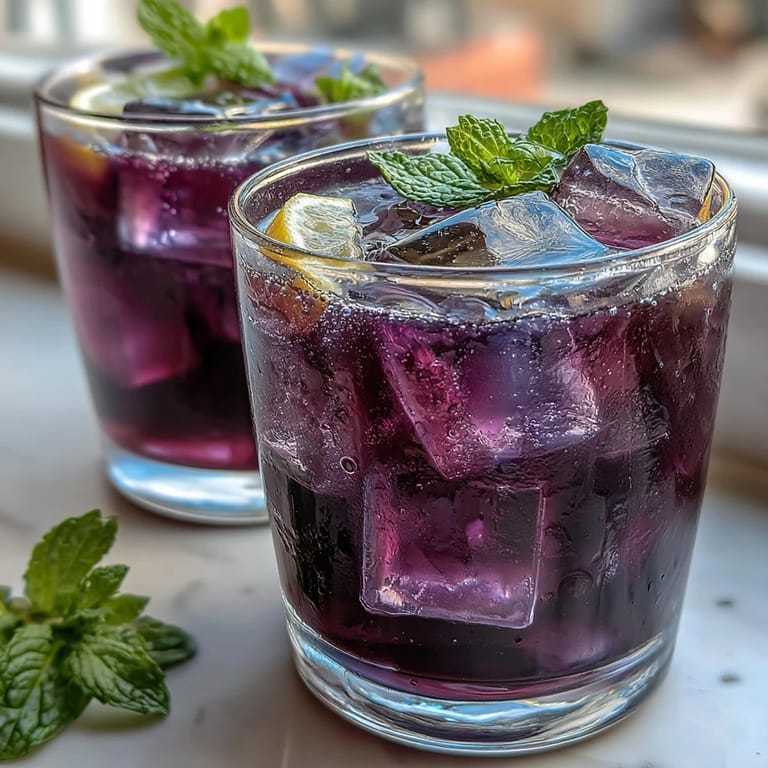
Save My neighbor brought over a jar of homemade lavender syrup one spring afternoon, and I remember standing in her kitchen watching her pour it into plain lemonade like she was revealing some kind of secret. The drink turned pale purple, almost translucent against the afternoon light, and when I took that first sip, something shifted—it wasn't just sweet or tart anymore, it was like drinking flowers that had decided to become refreshing. I've been chasing that exact moment ever since, and this is the version I landed on after countless batches and plenty of mint-covered counters.
I made this for a small garden gathering last May, and what struck me most wasn't the compliments—it was watching people pause mid-conversation to actually taste what they were drinking. Someone asked for the recipe within five minutes, and I realized this drink had that rare quality of making ordinary moments feel intentional. That's when I knew it was worth writing down properly.
Ingredients
- Water (1 cup for syrup): This becomes your base for the lavender extraction, and using filtered water keeps the floral notes from getting muddied by tap water minerals.
- Granulated sugar (1 cup): The sweetness here balances lavender's subtle bitterness, so don't skip it or reduce it thinking you're being healthy—the syrup is small batch and meant to shine.
- Dried culinary lavender (2 tablespoons): This is the non-negotiable ingredient; culinary lavender tastes floral but clean, while decorative varieties can taste like you're eating perfume or soap, and that's a mistake you only make once.
- Freshly squeezed lemon juice (1 cup): Bottled lemon juice will work in a pinch, but fresh juice gives you brightness that actually stands up to the lavender instead of disappearing into it.
- Cold water (4 cups): This dilutes everything to the right balance, and keeping it cold from the start means your lemonade stays crisp without needing as much ice.
- Fresh mint leaves (1/3 cup plus extra for garnish): These get muddled gently—bruise them too hard and they turn bitter, which I learned the hard way by pulverizing them like I was angry at them.
- Ice cubes: Use quality ice or make your own; grocery store ice sometimes tastes like the freezer it came from, and that affects everything.
- Lemon slices and fresh mint sprigs (for garnish): These aren't just decoration; they signal to people that something thoughtful is happening in their glass.
Tired of Takeout? 🥡
Get 10 meals you can make faster than delivery arrives. Seriously.
One email. No spam. Unsubscribe anytime.
Instructions
- Make the lavender syrup:
- Combine water and sugar in a small saucepan and bring to a gentle simmer over medium heat, stirring until the sugar dissolves completely—you're looking for that moment when the mixture goes from grainy to absolutely smooth. This takes just a few minutes, and the whole kitchen will start smelling sweet and clean.
- Infuse with lavender:
- Add the dried lavender, give it a stir, then remove from heat immediately and cover the pot. Let it sit for exactly ten minutes while the lavender releases its flavor into the warm syrup—any longer and it gets too perfume-like, any shorter and you barely taste it.
- Strain carefully:
- Pour the syrup through a fine mesh sieve, pressing gently on the lavender buds to extract every drop of flavor without pushing the plant material through. Let the syrup cool to room temperature before using it, which takes about fifteen minutes if you're patient or can be rushed with an ice bath if you're thirsty.
- Build the lemonade:
- In a large pitcher, combine the fresh lemon juice, cold water, and half a cup of the cooled lavender syrup, then stir everything together until the color is uniform. Taste it at this point and add more syrup if you want it more floral, less if you want the lemon to dominate—this is your drink, after all.
- Muddle the mint:
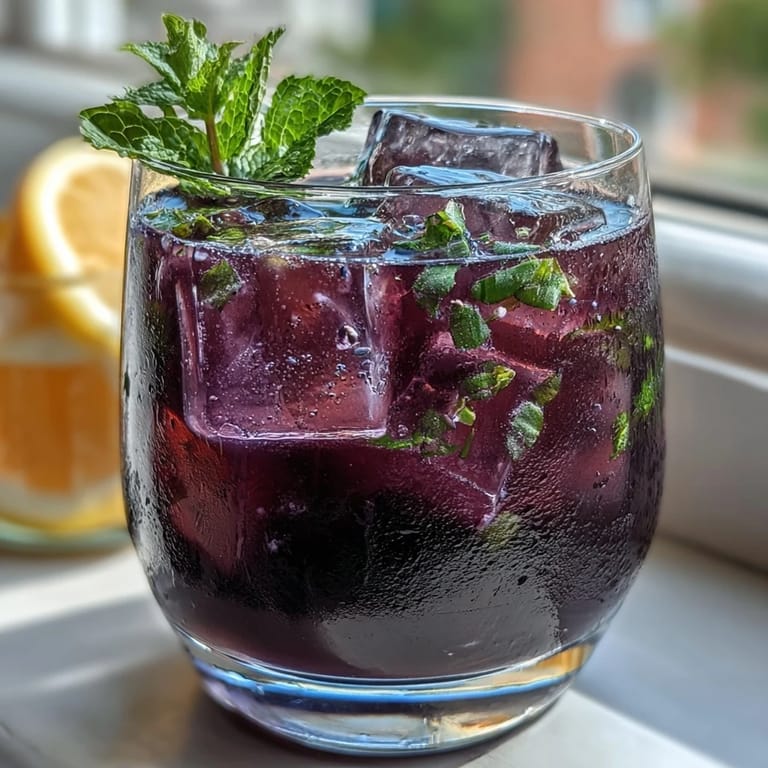
- Add the fresh mint leaves and use the back of a wooden spoon to gently press them against the side of the pitcher, just enough to bruise them and release their oils into the liquid. You're not trying to destroy them; you're just coaxing out their best self, and there's a real difference.
- Chill and serve:
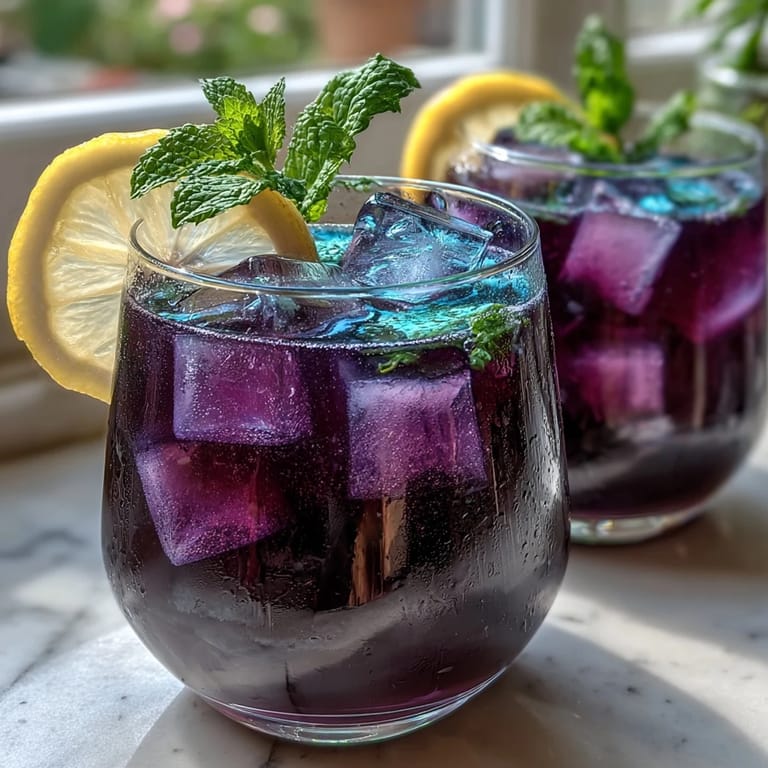
- Fill tall glasses with ice cubes, pour in the lavender lemonade slowly so it settles beautifully, then top each glass with a lemon slice and a sprig of fresh mint. Serve immediately while everything is still cold and the mint is still perky, or cover and refrigerate until you're ready—it keeps beautifully for a day or two.
 Save
Save There was a moment last summer when my partner came home after a long day and I handed them a cold glass of this without saying anything, and they just closed their eyes for a second before drinking. That's when I understood that sometimes the smallest thoughtful gestures—a cold drink on a warm day, a flavor combination that actually works—become the memories people hold onto.
The Magic of Floral Flavors in Summer Drinks
Lavender gets a bad reputation because so many people overdo it or use the wrong kind, but when it's done right, it's sophisticated and subtle. The key is understanding that lavender should whisper, not shout; it should make you feel like you're tasting something special without making you feel like you're drinking perfume. Once you nail that balance, you start seeing floral ingredients as an entire category waiting to be explored—rose water in lemonade, elderflower in sparkling drinks, even hibiscus if you want something tart and beautiful.
Fresh Mint as the Perfect Counterbalance
Mint does something remarkable here: it cools the drink in more ways than just temperature, and it bridges the gap between the sweetness of the syrup and the tartness of the lemon. The trick is muddling it gently, which seems contradictory but isn't—you want to release the essential oils without destroying the plant structure, because bruised mint tastes greenish and bitter, while properly muddled mint tastes bright and alive. I've found that a gentle pressing motion works better than any aggressive crushing, and the difference is noticeable from the first sip.
Customization and Variations to Try
Once you've made this a few times, the variations start calling to you—maybe a sparkling version where you swap half the cold water for sparkling water right before serving, or a stronger lemon version if you like things really tart. Some people add a touch of honey at the end, others steep the lavender longer for a more pronounced flavor, and I've even seen versions with a splash of floral liqueur for evening gatherings. The beauty is that this recipe is flexible enough to become whatever you need it to be.
- Try adding a small splash of raw honey if you want something more rounded and less sharp.
- Make a double batch of lavender syrup and keep it in the fridge for impromptu lemonades throughout the week.
- For a prettier presentation, freeze edible flowers or mint leaves inside ice cubes before serving.
 Save
Save This drink has become my signature offering for spring gatherings, the thing people ask for when they know I'm hosting. There's something lovely about serving something that feels both simple and special at the same time.
Recipe Guide
- → How do you make the lavender syrup?
Simmer equal parts water and sugar with dried culinary lavender, then steep off heat for 10 minutes before straining.
- → Can fresh lavender be used instead of dried?
Dried culinary lavender is preferred for a controlled, floral flavor; fresh may vary and be less potent.
- → What is the best way to muddle mint leaves?
Gently press mint leaves with a wooden spoon to release oils without tearing them too much.
- → Is it possible to make this sparkling?
Yes, replace half of the cold water with sparkling water just before serving for added fizz.
- → How should this drink be stored?
Keep refrigerated and serve chilled; best consumed within a day for optimal freshness.
- → What tools are essential for preparation?
A saucepan for syrup, fine mesh sieve for straining, large pitcher for mixing, wooden spoon for muddling, and a citrus juicer for fresh lemon juice.