 Save
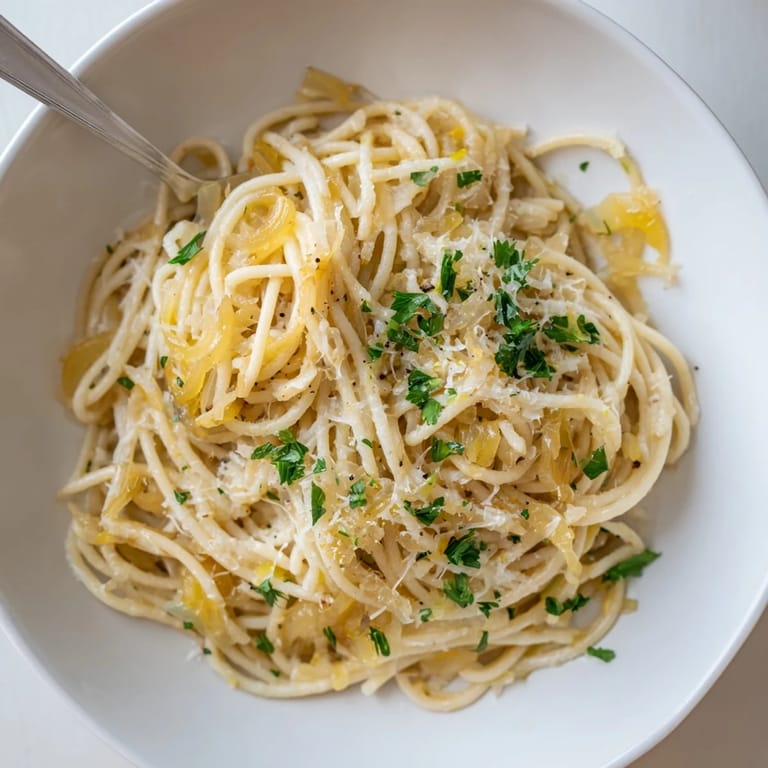
Save There's something about the smell of onions turning golden that stops me mid-thought, and I first understood this when I was supposed to be making a quick weeknight dinner. Instead of rushing through, I found myself standing there, watching those thin slices transform into something rich and sweet, and I thought, why not build a whole pasta around this moment? That's how this dish came to life—not from a recipe book, but from the question of what happens when you let caramelization become the star.
I made this for my partner on a cold night when we'd both been tired all week, and the moment they tasted it, their shoulders dropped. They asked for seconds before finishing the first bowl, and I realized that sometimes the most comforting food is the kind that tastes like someone actually thought about you while cooking it.
Ingredients
- 3 large yellow onions, thinly sliced: Yellow onions caramelize beautifully and develop a natural sweetness—use a sharp knife or mandoline to keep the slices even so they cook uniformly.
- 2 cloves garlic, minced: Just enough to whisper in the background without overpowering the onions, added after caramelization so it stays fresh and bright.
- 350 g (12 oz) dry fettuccine or linguine: The pasta cooks directly in the broth, soaking up every drop of flavor, so don't use the tiniest shapes or they'll disappear.
- 60 ml (1/4 cup) dry white wine: This deglazes the pan and adds a subtle acidity that cuts through the richness, so don't skip it or substitute with something sweet.
- 1 L (4 cups) vegetable or beef broth: Use beef if you want deeper, more savory notes, or vegetable if you're keeping it meatless—both work beautifully.
- 2 tbsp unsalted butter and 2 tbsp olive oil: The combination gives you both richness and the ability to get the pan hot enough for real caramelization.
- 120 g (1 cup) grated Gruyère cheese and 60 g (1/2 cup) grated Parmesan: Gruyère melts into something almost creamy, while Parmesan adds a sharp, salty edge—grate them fresh if you can.
- 1 tsp sugar, 1/2 tsp dried thyme, 1 bay leaf: The sugar helps the onions brown faster, thyme adds earthiness, and the bay leaf ties everything together with subtle complexity.
- Salt and freshly ground black pepper: Taste as you go—the broth already has salt, so go easy at first.
Tired of Takeout? 🥡
Get 10 meals you can make faster than delivery arrives. Seriously.
One email. No spam. Unsubscribe anytime.
Instructions
- Let the onions have their moment:
- Heat the butter and oil together over medium heat until it's shimmering, then add your sliced onions and that pinch of sugar. Stir every few minutes or so—you're looking for deep golden brown, almost caramel-colored edges, which takes about 20 to 25 minutes. This is the foundation of everything, so don't rush it or turn up the heat.
- Wake up the garlic:
- Once the onions are where you want them, add the minced garlic and let it cook for just a minute until the kitchen smells incredible. You want it soft and fragrant, not browned or bitter.
- Deglaze and build flavor:
- Pour in the white wine and use a wooden spoon to scrape up all those caramelized bits stuck to the bottom—that's pure flavor. Let it bubble away for about 2 minutes until most of the wine has evaporated and you're left with a silky base.
- Add the broth and aromatics:
- Toss in the thyme and bay leaf, then pour in all the broth and bring it to a boil. This is when your kitchen becomes a warm, savory sanctuary.
- Cook the pasta in the broth:
- Add the dry pasta directly into the simmering liquid, stir well, then turn the heat down to medium-low. Let it simmer uncovered, stirring often so nothing sticks, for about 10 to 12 minutes until the pasta is tender and most of the liquid is absorbed—you want creamy, not soupy.
- Finish with cheese:
- Fish out that bay leaf, then stir in the Gruyère and Parmesan until they melt into the pasta, creating something velvety and rich. Taste it, adjust the salt and pepper, and if it's too thick, you can add a splash more broth.
- Serve it warm:
- Spoon it into bowls while it's hot, scatter some fresh parsley on top if you have it, and maybe add a little extra cheese because why not.
 Save
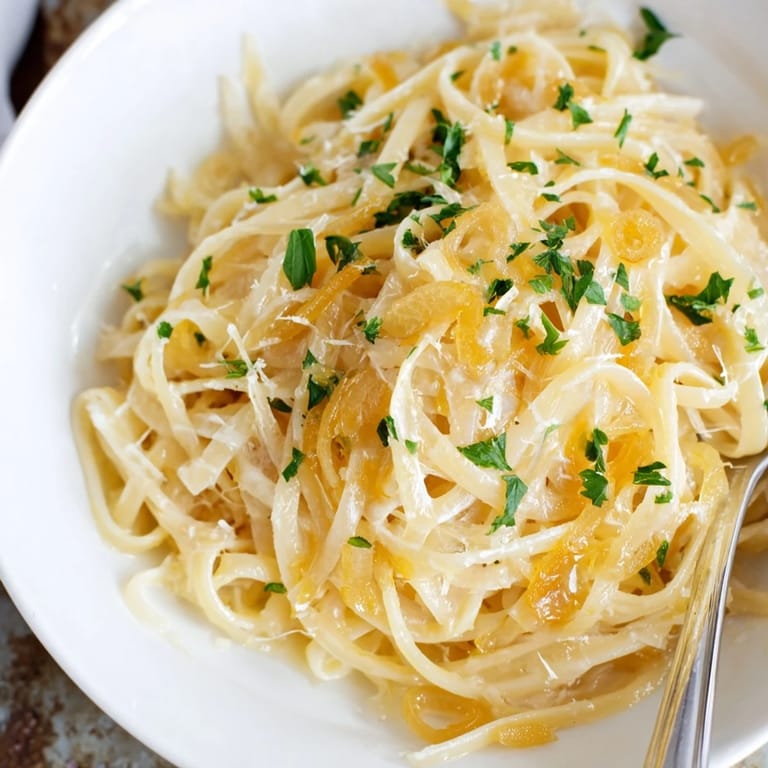
Save I served this to friends on a night when everyone needed something warm and unpretentious, and watching them slow down between bites made me understand that good food doesn't need to be complicated—it just needs to be made with attention. That's when this dish stopped being a recipe for me and became something I'd make again and again.
Why One Pot Matters
There's a rhythm to cooking in one vessel that changes how you approach the whole meal—nothing gets lost in translation between pans, every element builds on what came before, and the pasta finishes in the same broth it's been flavored by. It's more efficient, sure, but it's also more intentional, like you're orchestrating something rather than juggling. The cleanup is honest too; you wash one pot instead of three, which somehow feels like a small gift you give yourself on a busy night.
Variations That Keep It Interesting
I've made this recipe at least a dozen different ways depending on what was in my kitchen or what mood I was in. Sometimes I use beef broth instead of vegetable and suddenly it becomes more of a cozy, meaty thing even though there's no meat in it. Other times I'll sauté some mushrooms separately and fold them in at the end—the earthiness plays beautifully with the onions and cheese. I've even added a splash of cream at the very end just to see what would happen, and it turned the whole thing silkier, almost soup-like in the best way.
Make It Your Own
The magic of this dish is that it's forgiving enough to bend to what you have on hand. If Gruyère isn't available, Swiss cheese will give you something creamy and mild, or even a good sharp cheddar if that's all you've got. The pasta shape matters less than you'd think—I've used pappardelle, bucatini, even small shells, and they all soak up that broth beautifully. One last thing to remember as you're cooking: taste everything, trust your senses, and don't be afraid to add a little more cheese if the moment calls for it.
- Fresh parsley at the end brightens everything up, but dried herbs work too in a pinch.
- If you want to meal-prep this, make it a day ahead and reheat gently with a splash of broth stirred in.
- This pairs perfectly with a crisp white wine like Sauvignon Blanc or even a light rosé on warmer nights.
 Save
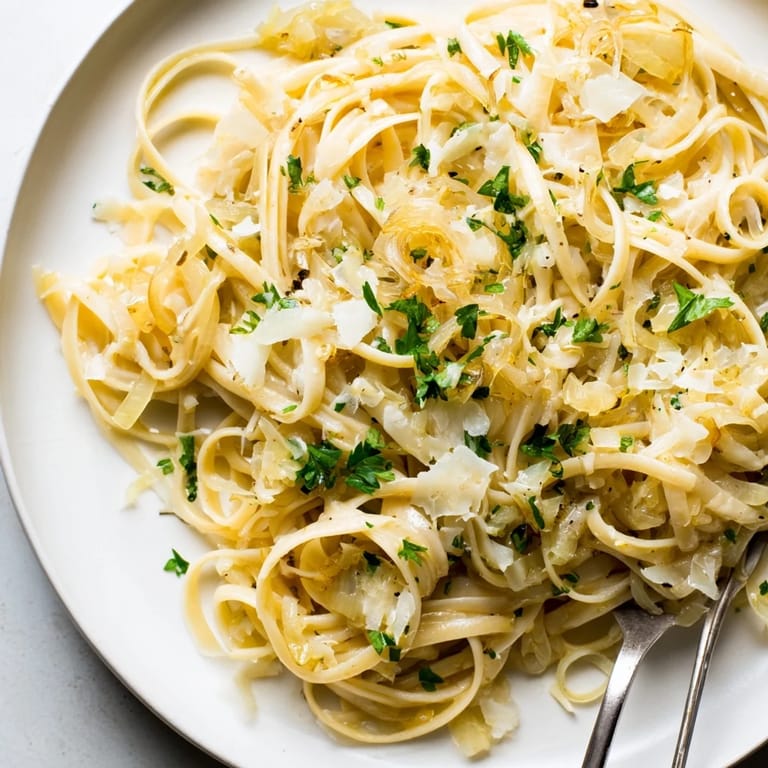
Save This pasta has become something I reach for whenever I want to feel like I'm taking care of the people around me without fussing too much. It's one of those dishes that reminds you that the best cooking happens when you're paying attention to what's in front of you.
Recipe Guide
- → How do I achieve deeply caramelized onions?
Cook sliced onions slowly over medium heat with butter and olive oil, stirring occasionally for 20–25 minutes until they turn golden brown and rich in flavor.
- → Can I use other types of pasta?
Yes, fettuccine or linguine work best, but other long pasta can be used. Adjust cooking time as needed for doneness.
- → What broth options are suitable?
Vegetable broth works for a lighter dish, while beef broth gives a richer, deeper flavor complementing the caramelized onions and cheese.
- → How to prevent pasta from sticking during cooking?
Stir frequently and ensure there's enough liquid covering the pasta so it can cook evenly and absorb flavors without clumping.
- → Can I substitute the cheeses used?
Gruyère can be replaced with Swiss cheese if needed; Parmesan adds sharpness and depth, but other hard cheeses may work as well.