 Save
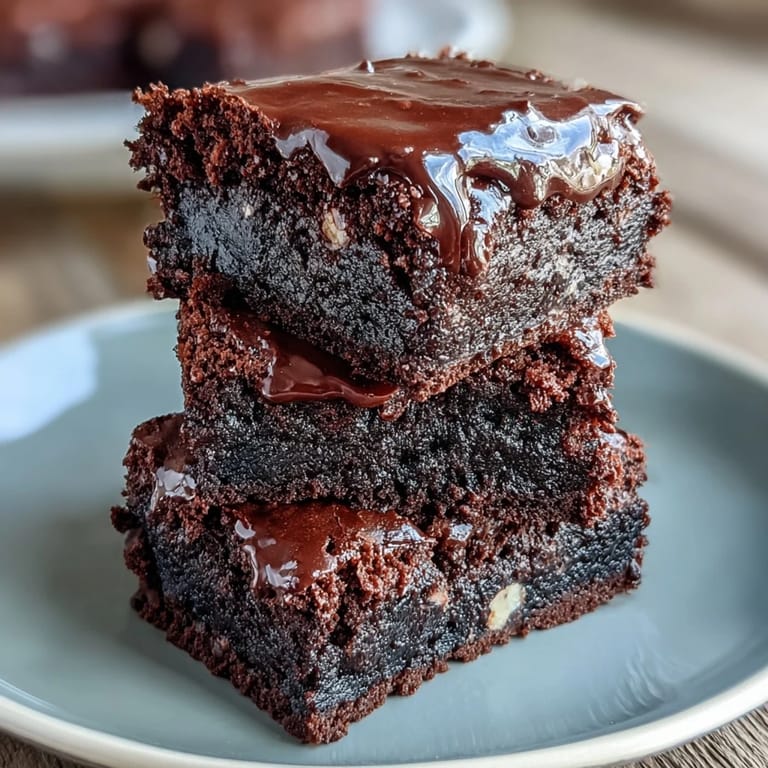
Save One rainy afternoon, I had a container of sourdough starter sitting on my counter that I'd neglected for days, and rather than toss it, I wondered what would happen if I folded it into brownie batter. The result was unexpectedly magical—a fudgy, almost impossibly tender crumb with just a whisper of tangy complexity that deepened the chocolate flavor. Now, every time I make these triple chocolate espresso brownies, I'm reminded that sometimes the best kitchen discoveries come from stubborn refusal to waste.
I brought a batch to a dinner party where my friend Sarah, who'd been skeptical about sourdough in desserts, took one bite and immediately asked for the recipe. Watching her eyes widen at that first taste—the moment the tang hit her palate and then melted into dark chocolate—made me realize this wasn't just a way to use up starter anymore. It had become the brownie I reach for when I want to impress people without trying too hard.
Ingredients
- Bittersweet chocolate (60–70% cacao): Don't skip quality here—this is 100 g of your flavor foundation, and cheaper chocolate tastes waxy and one-dimensional.
- Milk chocolate: These lighter pieces create pockets of sweetness and creaminess throughout, balancing the intensity of the dark chocolate.
- White chocolate: A controversial addition, but it adds richness and helps bind the crumb; use real white chocolate, not white candy coating.
- Unsweetened cocoa powder: The dry cocoa deepens flavor and adds that final dusting of chocolate complexity without adding fat.
- Sourdough starter (100% hydration): Use discard or unfed starter—it contributes moisture, tang, and a slight rise that makes the crumb tender rather than dense.
- Unsalted butter: Unsalted lets you control salt levels; melted with chocolate, it creates the silky base.
- Eggs: They emulsify the batter and provide structure; add them one at a time so they incorporate fully.
- Strong brewed espresso: Instant espresso powder dissolved in hot water works just as well and gives you more control over intensity.
- Granulated and brown sugar: Together they create the fudgy crumb—granulated brings shine and structure, brown sugar adds moisture and chewiness.
- All-purpose flour: Just enough to hold the brownies together without making them cake-like; resist the urge to add more.
- Fine sea salt: A small amount intensifies chocolate and balances sweetness, making everything taste more like itself.
Tired of Takeout? 🥡
Get 10 meals you can make faster than delivery arrives. Seriously.
One email. No spam. Unsubscribe anytime.
Instructions
- Prepare your pan and heat the oven:
- Line a 20x20 cm (8x8-inch) pan with parchment, letting the sides overhang—this is how you'll pull the whole brownie slab out without crumbling it. Preheating to 180°C (350°F) is essential because brownies bake gently at this temperature, giving you that fudgy center.
- Melt chocolate and butter together:
- Use a double boiler or a heatproof bowl over simmering water, stirring until smooth and glossy. Let it cool for a minute or two off the heat so the eggs won't scramble when you add them next.
- Whisk in sugars until emulsified:
- This is where the batter starts getting silky—the sugars should feel fully combined with the chocolate-butter mixture before you move forward. Don't rush this step; it takes about 1 minute of actual whisking.
- Add eggs one at a time, whisking well:
- Each egg needs a moment to fully integrate before you add the next one, otherwise the batter can look broken and grainy. After both eggs are in, stir in vanilla and espresso.
- Fold in the sourdough starter:
- This is the moment the batter gets its signature tang and moisture—use a spatula and fold gently until you don't see any white streaks of starter.
- Sift and fold in dry ingredients:
- Sifting removes lumps from the cocoa powder and aerates the flour, but more importantly, it means you'll fold less and keep the batter tender. Fold just until the flour disappears; overmixing is the enemy of fudgy brownies.
- Fold in the milk and white chocolate:
- These pieces should be evenly distributed but not pressed in; you want pockets of them throughout, not all sinking to the bottom.
- Pour and bake:
- Smooth the top gently—this is purely for aesthetics. Bake for 32–36 minutes; the top should look set but the center should still jiggle slightly when you shake the pan.
- Cool completely before slicing:
- This feels like forever, but warm brownies are fragile and will crumble. Cooled brownies slice cleanly and have better texture anyway.
 Save
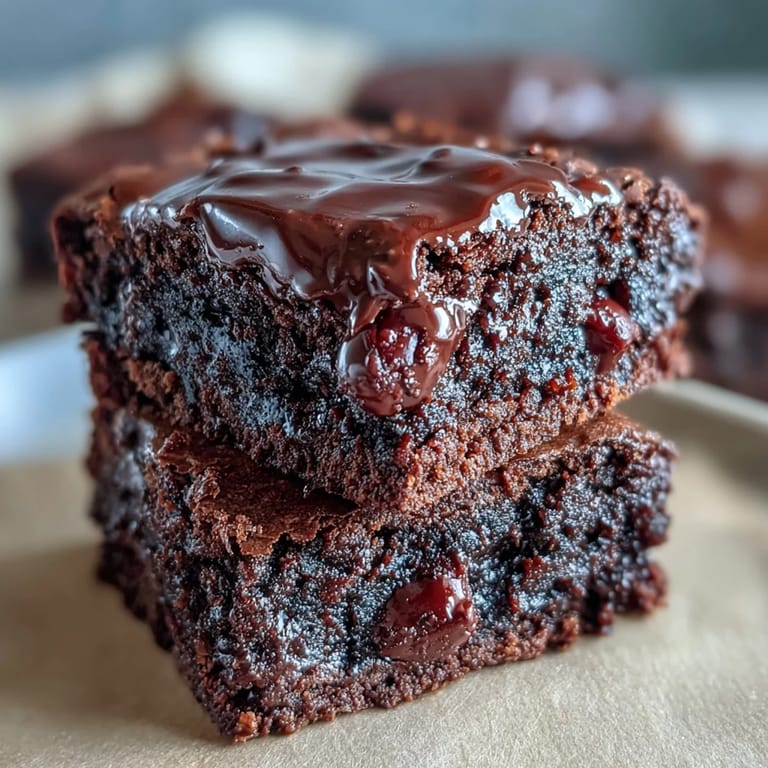
Save There's a specific texture these brownies reach after cooling that reminds me why I bother with baking at all—it's the moment you cut through and the knife glides through without resistance, leaving a clean edge that still feels yielding. That perfect balance between structure and softness is what keeps people coming back for another piece.
The Sourdough Difference
Using sourdough starter in brownies sounds unconventional until you taste it and realize the tang is almost imperceptible—it just makes the chocolate taste darker, richer, and more sophisticated. The starter also adds moisture without extra liquid, which is why the crumb stays fudgy for days instead of drying out by day two. I stopped thinking of this as a way to use up discard and started thinking of it as a secret ingredient that only people who know to look for it will recognize.
Why Three Kinds of Chocolate
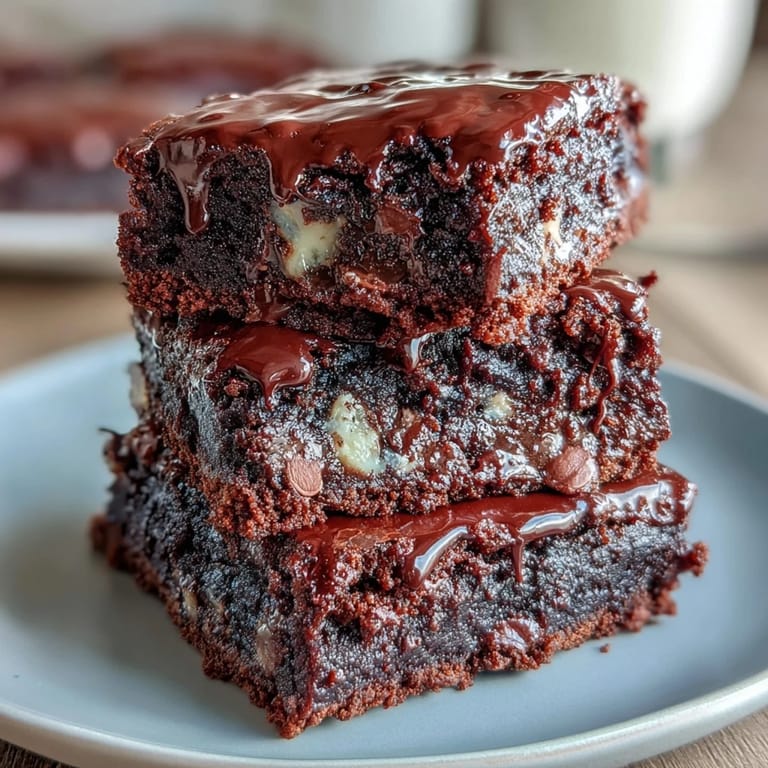
Using just bittersweet chocolate would give you intensity but not dimension; combining three creates a brownie that tastes complex and layered. The bittersweet provides the backbone and deep cocoa notes, the milk chocolate rounds the edges and adds creaminess, and the white chocolate lifts the whole thing and adds richness without bitterness. It's the difference between a good brownie and one that makes people pause mid-bite to ask what makes it taste so good.
Storage, Serving, and Variations
These brownies keep beautifully in an airtight container for up to five days, though they rarely last that long in my house. For extra chewiness, refrigerate the baked brownies for a few hours before slicing—the cold sets the crumb differently and makes them feel almost fudgy. You can swap the espresso for strong black coffee, add toasted walnuts or pecans for crunch, or serve with vanilla ice cream for a moment of pure indulgence.
- If your sourdough starter is very active and bubbly, it works best; if it's sluggish, the brownies will still be delicious but slightly less risen.
- White chocolate scorches easily, so fold it in gently at the end rather than melting it with the dark chocolate and butter.
- Make sure your espresso is cooled slightly before stirring it in, so the heat doesn't cook the eggs.
 Save
Save These brownies exist in that rare space where they feel indulgent enough for celebration but casual enough for a Tuesday afternoon—the kind of thing that tastes like you spent hours on it when it took less than an hour total. That's the real magic.
Recipe Guide
- → What does sourdough add to the brownies?
Sourdough introduces a subtle tang that balances the sweetness and enriches the flavor profile.
- → Can espresso be substituted in the batter?
Yes, strong black coffee can replace espresso to maintain the deep, bold notes.
- → How do the three chocolates affect texture?
Bittersweet, milk, and white chocolates blend to create layers of rich, creamy, and smooth textures throughout.
- → How do I ensure the brownies stay fudgy?
Bake until the center is just set and allow to cool completely; chilling before slicing enhances chewiness.
- → Are nuts a good addition to this dessert?
Adding walnuts or pecans provides a pleasant crunch that contrasts nicely with the fudgy texture.