 Save
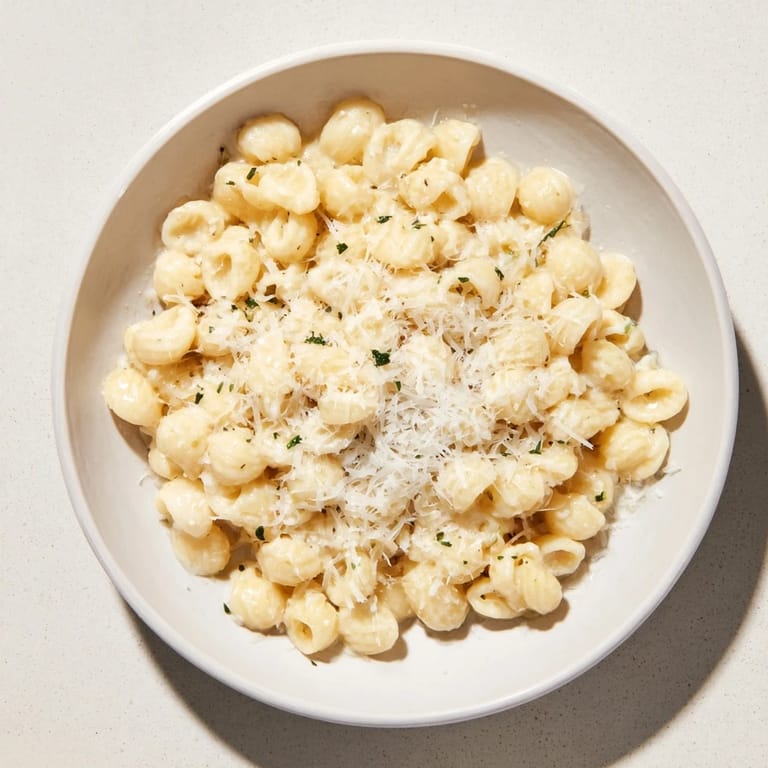
Save I used to think restaurant-quality pasta needed fancy techniques or hours of prep, until one rainy Tuesday when my fridge was nearly empty and I had twenty minutes before dinner. I boiled ditalini, melted butter with garlic, poured in some cream, and stirred in Parmesan until it clung to every ridged tube. The kitchen smelled like a trattoria, and my kids scraped their bowls clean. That night taught me that comfort lives in simplicity, not complexity.
I made this for my sister the night she moved into her first apartment, using a single battered pot she'd inherited from our grandmother. We sat on her empty living room floor with mismatched bowls, twirling pasta and laughing about how we'd never tasted anything this good from something so simple. She still texts me photos every time she makes it, always with the caption just like that first night. Food has a way of marking the moments we want to remember.
Ingredients
- Ditalini pasta: These tiny tubes catch the sauce in their hollow centers, and their ridges grip the Parmesan so nothing slips off the fork.
- Unsalted butter: Melting it gently with garlic creates a fragrant base without burning, and you control the salt level perfectly.
- Garlic: Mince it fine so it melts into the butter and perfumes the cream without leaving sharp, raw bites.
- Heavy cream and whole milk: The combination gives you richness without heaviness, and the milk thins it just enough to coat rather than clump.
- Parmesan cheese: Finely grated melts faster and smoother, turning the sauce silky instead of grainy or stringy.
- Black pepper and red pepper flakes: A little heat and spice wake up the creamy sauce and keep it from feeling one-note.
- Fresh parsley: A handful of green at the end adds a pop of color and a hint of freshness that balances all that richness.
Tired of Takeout? 🥡
Get 10 meals you can make faster than delivery arrives. Seriously.
One email. No spam. Unsubscribe anytime.
Instructions
- Boil the pasta:
- Bring salted water to a rolling boil, add the ditalini, and stir occasionally so they don't stick to the bottom. When they're just tender with a tiny bite left in the center, scoop out a mugful of that cloudy, starchy water before you drain.
- Build the garlic base:
- Melt the butter in the same pot over medium heat, then add the minced garlic and let it sizzle gently until the kitchen smells sweet and nutty. Watch it closely, because garlic goes from golden to bitter in seconds.
- Add the cream and milk:
- Pour both into the pot and stir everything together, letting it come to a gentle bubble. The sauce will look thin at first, but it thickens as the Parmesan goes in.
- Toss in the pasta:
- Return the drained ditalini to the pot and stir until every piece is coated in that warm, fragrant cream. The pasta will soak up flavor as it sits.
- Melt in the Parmesan:
- Add the cheese gradually, stirring constantly so it melts into the sauce instead of clumping. If it looks too thick, splash in a little reserved pasta water and stir until it loosens into a silky glaze.
- Season and serve:
- Grind in black pepper, sprinkle red pepper flakes if you like a little warmth, and taste before you plate. Serve hot with extra Parmesan snowed over the top and a scatter of parsley.
 Save
Save The first time I made this for a friend going through a rough patch, she sat at my kitchen counter and cried into her bowl, not because it was sad but because it tasted like being cared for. She told me later that she'd forgotten what it felt like to have someone cook something warm just for her. I realized then that recipes are really just excuses to show up for the people we love.
How to Know When Its Done
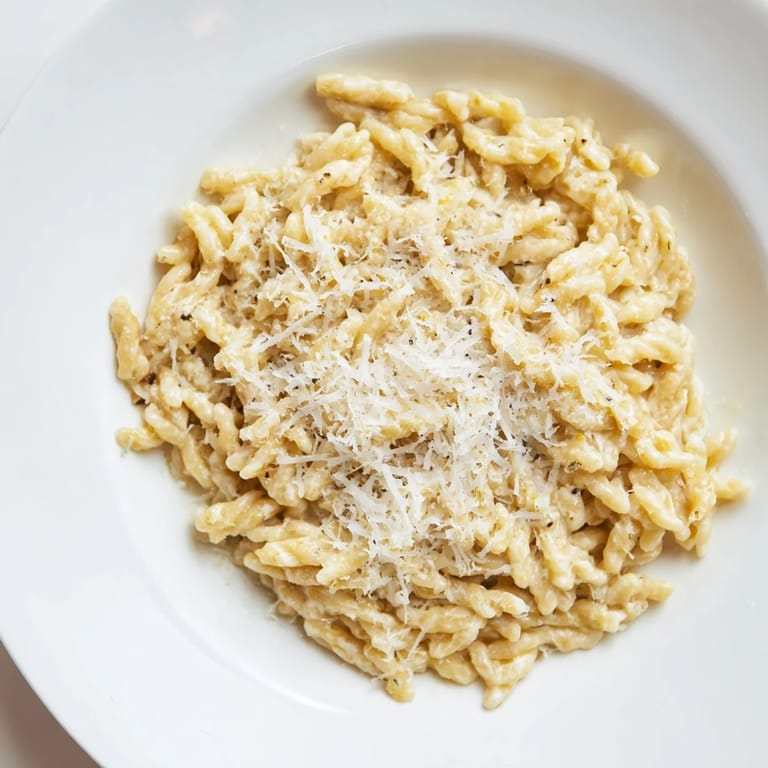
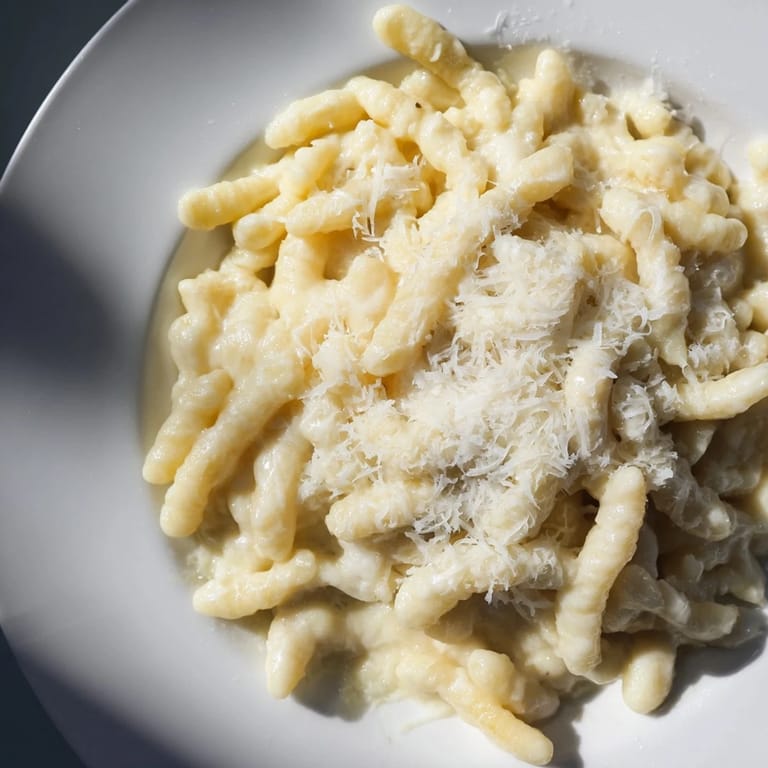
The sauce should coat the back of a spoon and cling to each piece of pasta without pooling at the bottom of the bowl. If you drag your finger through the sauce on the spoon and the line holds, you've nailed it. The ditalini should be tender but still have a little resistance when you bite down, because they'll keep softening slightly as they sit in the warm sauce.
Best Ways to Serve This
I like to pile it into wide, shallow bowls so you can see all that creamy sauce and grated Parmesan snow on top. A crisp green salad with lemon vinaigrette cuts through the richness, and a hunk of crusty bread is perfect for mopping up every last bit. Sometimes I'll set out a little dish of extra red pepper flakes and let everyone adjust the heat to their liking.
Make It Your Own
This recipe is a starting point, not a rulebook. I've stirred in handfuls of baby spinach at the end and watched it wilt into the sauce, added crispy bacon bits for a smoky twist, or tossed in sautéed mushrooms when I wanted something earthy. You can swap ditalini for any small pasta shape you have on hand, and if you want a lighter version, half-and-half works beautifully in place of heavy cream.
- Stir in a squeeze of fresh lemon juice just before serving for a bright, unexpected lift that cuts through the richness.
- Top with toasted panko breadcrumbs for a crunchy contrast that makes every bite more interesting.
- Add a handful of frozen peas in the last minute of cooking for a pop of color and a little natural sweetness.
 Save
Save This pasta has become my answer to long days, unexpected guests, and nights when I just want something warm without the fuss. It reminds me every time that the best meals don't need to be complicated, they just need to be made with a little care.
Recipe Guide
- → Can I use other pasta shapes?
Yes, small pasta shapes like elbow macaroni or small shells work well and hold the sauce nicely.
- → How can I make the sauce thinner if it's too thick?
Add reserved pasta water gradually to reach a creamier, lighter consistency without diluting the flavor.
- → Is it possible to reduce the richness of the sauce?
Using half-and-half instead of heavy cream lightens the sauce while maintaining creaminess.
- → What can I add for extra flavor?
A squeeze of lemon juice before serving brightens the dish and enhances the garlic and Parmesan notes.
- → How should I store leftovers?
Keep leftovers in an airtight container in the refrigerator for up to 2 days; reheat gently to preserve creaminess.