 Save
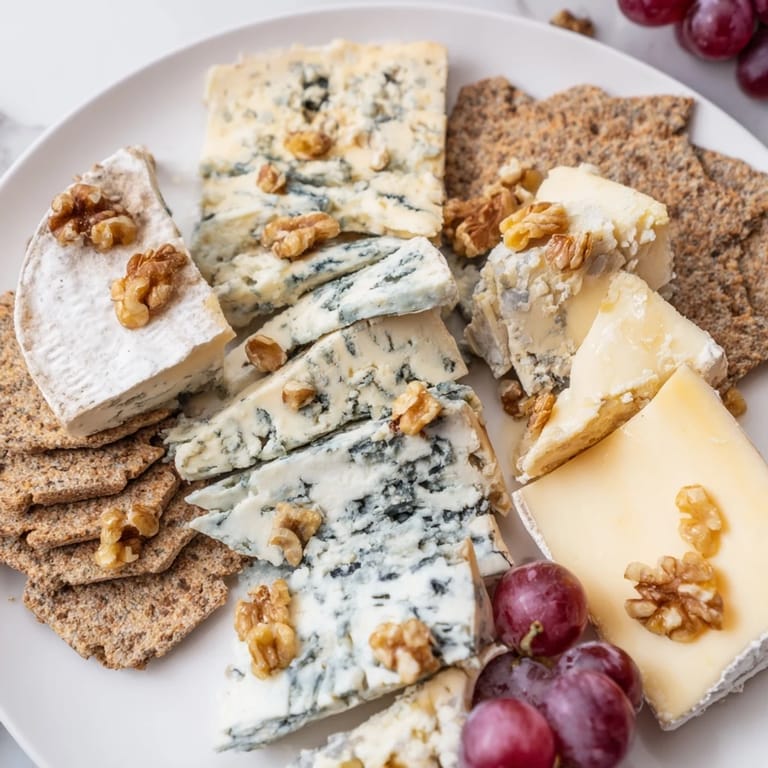
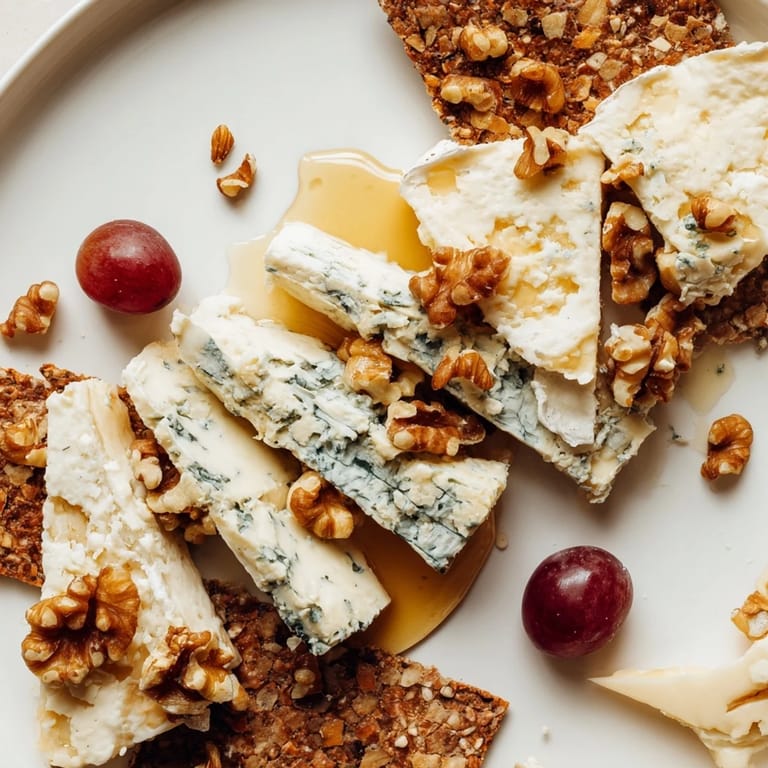
Save I was arranging a cheese board for a dinner party when my friend remarked that the blues looked like a landscape. That offhand comment sparked something—what if I actually leaned into it? I started cutting the cheeses into dramatic wedges, staggering them at different heights, and suddenly the platter transformed into something that felt almost artistic. The Blue Ridge Mountains cheese platter was born from that moment of playful experimentation, and now it's become my favorite way to turn simple ingredients into conversation.
The first time I made this for guests, I was nervous the concept would feel gimmicky, but watching people lean in to study the arrangement before tasting it—really tasting it—made me realize that food is about more than flavor. It's about creating a moment where someone pauses and notices the care you've taken.
Ingredients
- Roquefort cheese: Sharp and creamy, this French blue has a bite that demands respect and makes your palate wake up.
- Gorgonzola cheese: Slightly sweeter and creamier than Roquefort, it adds depth without being as aggressive.
- Stilton cheese: The British entry brings earthiness and a slightly milder character that balances the group.
- Bleu d'Auvergne cheese: This one ties everything together with its subtle sweetness and velvety texture.
- Artisanal whole-grain crackers: Choose ones with real texture and flavor—they're the foundation that keeps the cheeses from overwhelming the palate.
- Honey: Just a drizzle, but it acts like a bridge between the salty blues and everything else.
- Toasted walnuts, chopped: The nuttiness echoes the crackers and gives a satisfying crunch that matters.
- Fresh grapes or sliced figs: These bring brightness and a touch of natural sweetness that feels like a secret escape route from the intensity.
- Fresh herbs: Rosemary sprigs especially add a whisper of earthiness and green color that makes the platter feel alive.
Tired of Takeout? 🥡
Get 10 meals you can make faster than delivery arrives. Seriously.
One email. No spam. Unsubscribe anytime.
Instructions
- Cut the cheeses into dramatic wedges:
- Use a sharp knife and make rough, irregular cuts—think jagged peaks rather than neat slices. Let each cheese show its natural texture and marbling, which is half the beauty.
- Build your base with crackers:
- Arrange them in a single layer across your platter to create that sky backdrop. This is where you set the stage, so take a breath and enjoy the blank canvas.
- Stagger the cheeses like a mountain range:
- Place your wedges in a row, varying their heights and angles so nothing looks uniform or planned. The imperfection is what makes it look natural.
- Drizzle honey and scatter walnuts:
- Use a light hand with the honey—you want it to catch the light and accent rather than drown out the cheeses. The walnuts add texture where you need it most.
- Add color with fruit and herbs:
- Scatter grapes or figs around the platter and tuck in herb sprigs where they feel right. This is when it stops being an arrangement and becomes a scene.
- Serve immediately:
- Bring it to the table while everything is fresh and the cheeses haven't warmed too much, so the flavors stay bright.
 Save
Save Someone once told me that the best appetizers make people forget they're hungry and remember they're happy. That's when this platter started feeling less like a cheese arrangement and more like edible storytelling.
Why This Works as a Centerpiece
A cheese platter that looks like a landscape gives your guests something to admire before they eat, which changes the whole energy of the table. Everyone leans in, points, takes a moment—and suddenly a simple appetizer has become the opening act of an experience.
The Blue Cheese Equation
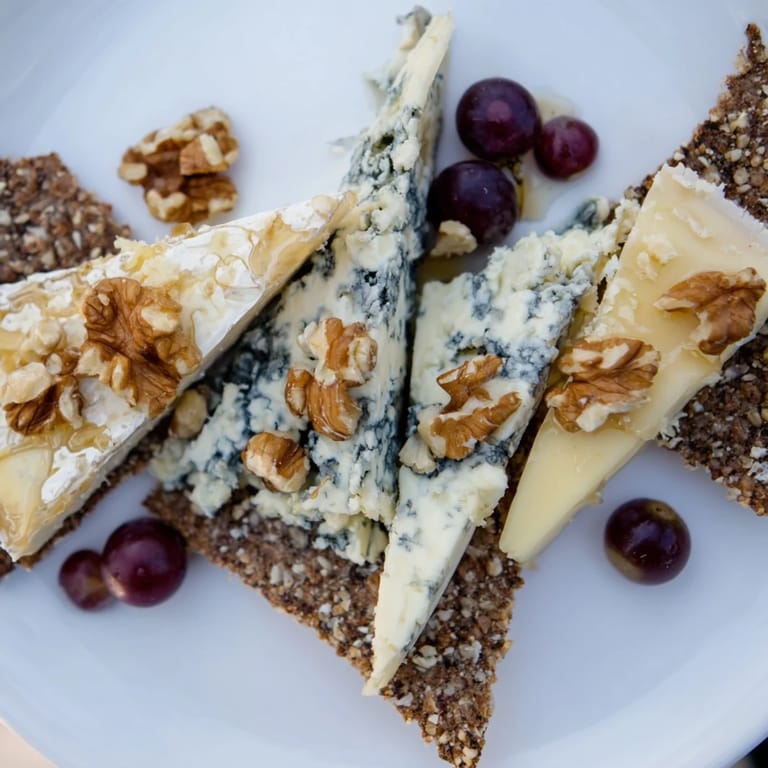
Blue cheeses can feel intimidating to people who aren't familiar with them, but when you present four different ones side by side, something magical happens. Tasters can compare the sharpness of Roquefort against the sweetness of Gorgonzola, which teaches the palate without preaching. The crackers and honey act as gentle guides through that tasting journey, keeping things from getting too intense.
Building Flavor and Balance
The real secret is understanding that blues need contrast to shine. Without the sweetness of honey, the brightness of grapes, and the earthiness of nuts and herbs, these cheeses can feel one-dimensional. Together, they create a composition where every bite tells a different story.
- Always taste each cheese on its own first, so you understand what you're working with.
- If your guests seem hesitant, let them start with a small piece of Gorgonzola, which tends to be the most approachable.
- Keep everything at cool room temperature—not fridge-cold, but not warm either, so the flavors don't get lost.
 Save
Save This platter works because it respects both the cheeses and your guests. It's a moment where simplicity and creativity shake hands, and everyone walks away remembering not just how it tasted, but how it made them feel.
Recipe Guide
- → What cheeses are included in this platter?
The platter includes Roquefort, Gorgonzola, Stilton, and Bleu d'Auvergne—classic blue-veined cheeses each bringing distinct flavors.
- → How can I create the mountain effect with the cheeses?
Slice the blue cheeses into rough, irregular wedges and arrange them in a row with varying heights and angles to mimic the jagged peaks of a mountain range.
- → Can I substitute the walnuts for a nut-free option?
Yes, you can omit the walnuts or replace them with pumpkin seeds for a nut-free alternative while maintaining a crunchy texture.
- → What fruits complement the platter best?
Fresh grapes or sliced figs add color and sweetness, providing a delightful contrast to the savory blue cheeses.
- → Is this platter suitable for vegetarian diets?
Yes, the selection and garnishes include only vegetarian-friendly ingredients like cheeses, nuts, fruit, and herbs.
- → What are some good beverage pairings for this cheese display?
This platter pairs beautifully with a chilled Sauternes or a robust red wine that complements the blue cheese flavors.