 Save
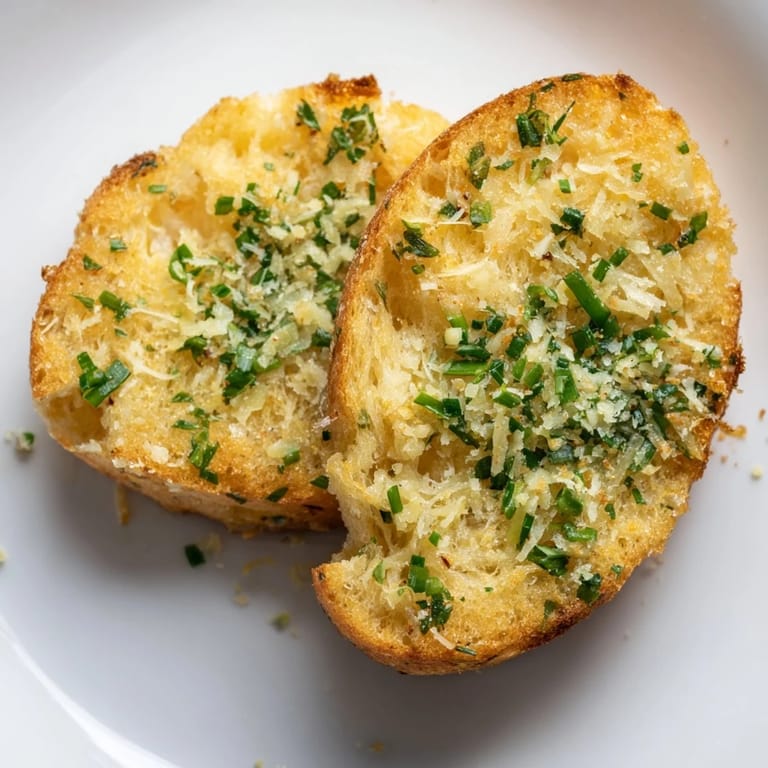
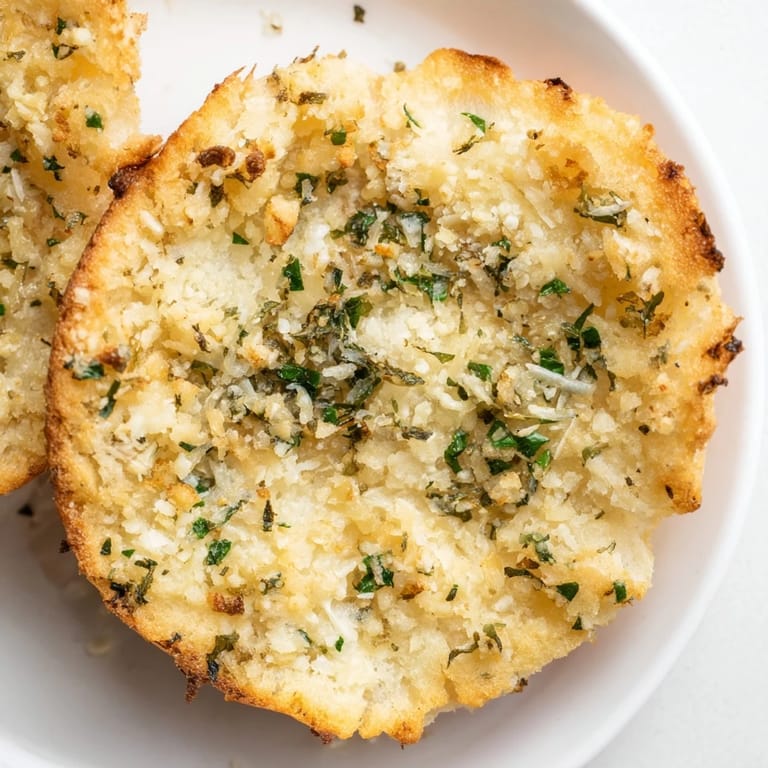
Save The first time I made cloud bread, I was skeptical—how could something so delicate come from just eggs actually be substantial enough to call food? But watching those egg whites transform into clouds under my mixer, then folding in garlicky Parmesan and fresh herbs, I realized I was holding something almost magical. Now these little puffs are my go-to when I want something that feels indulgent but won't weigh me down, especially on afternoons when I'm craving that bread-like satisfaction without the heaviness.
I remember bringing a batch of these to a dinner party, nervous because the host had just mentioned her new gluten-free diet. When she bit into one and said, "Wait, this is... cloud bread?" with genuine surprise, I knew I'd found something special. Her whole face lit up—it was the first time she'd had something that felt like real bread since cutting gluten, and the moment reminded me that sometimes the simplest recipes carry the most meaning.
Ingredients
- Eggs, separated: The magic starts here—room temperature eggs whip better, and separating them ensures you get those towering peaks that make cloud bread actually fluffy.
- Cream of tartar: This keeps your egg whites stable and prevents them from collapsing mid-fold, which I learned the hard way after one disappointing flat batch.
- Parmesan cheese: Use freshly grated if you can; the pre-shredded versions contain anti-caking agents that make the texture gritty and uneven.
- Cream cheese: Softened is crucial—cold cream cheese creates lumps that refuse to blend smoothly with the egg mixture.
- Fresh herbs: Chives and parsley add brightness; dried oregano brings earthiness that ties everything together and keeps these from tasting one-dimensional.
- Garlic clove: One clove minced fine is enough to flavor without overpowering the delicate crumb.
- Salt and pepper: Don't skip seasoning—these mild-mannered clouds need it to shine.
Tired of Takeout? 🥡
Get 10 meals you can make faster than delivery arrives. Seriously.
One email. No spam. Unsubscribe anytime.
Instructions
- Set up your stage:
- Preheat to 300°F and line your baking sheet with parchment—this low temperature is what keeps these airy instead of turning them into little dense pucks. The parchment prevents sticking and lets them brown gently on the bottom.
- Whip those whites:
- In a completely dry, grease-free bowl, beat egg whites with cream of tartar until stiff peaks form—when you lift your whisk, they should stand straight up. Any speck of yolk or fat will sabotage this, so take a moment to make sure everything is impeccably clean.
- Mix your base:
- In another bowl, whisk yolks with softened cream cheese until smooth, then fold in Parmesan, garlic, chives, parsley, oregano, salt, and pepper. This becomes your flavor foundation that anchors all that airy whiteness.
- The gentle fold:
- This is where patience matters—fold the egg whites into the yolk mixture in three additions, turning the bowl and cutting down the middle with a spatula each time. Overmixing deflates everything you've worked for, turning fluffy into flat.
- Shape and bake:
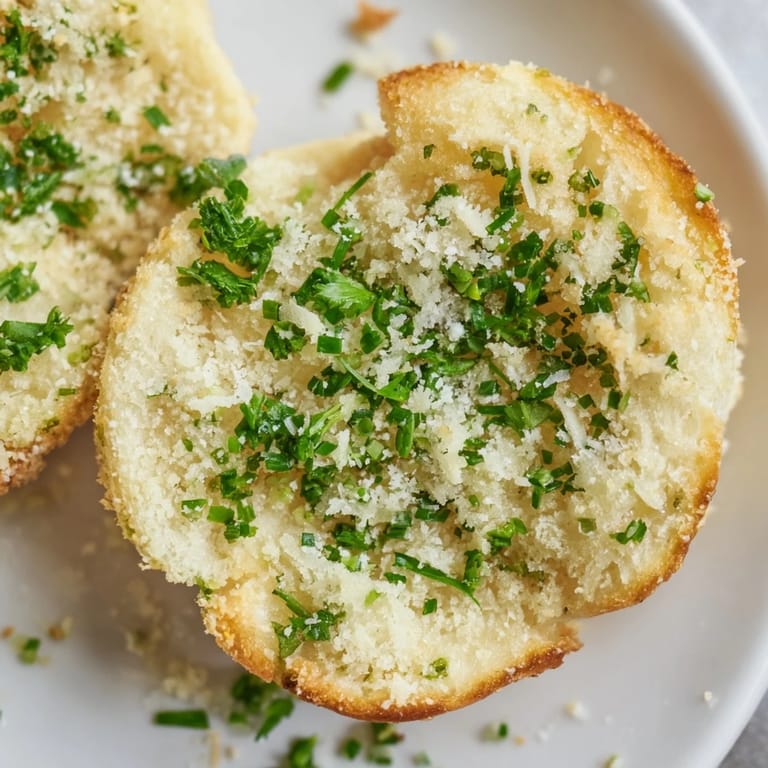
- Spoon six even rounds onto parchment, about ½ inch thick—they won't spread much, but consistent sizing helps them bake evenly. Bake for 25 minutes until golden on top and set through; they'll feel slightly springy when touched.
- Cool with intention:
- Let them rest a few minutes on the baking sheet before serving—this firms them up just enough to handle without losing that delicate structure.
 Save
Save There's something almost meditative about folding egg whites—that moment when you're trying not to deflate the airy structure you've just created, being gentle but efficient at the same time. It's one of those cooking skills that feels fragile until you do it a few times, and then suddenly you trust your instincts. That's when cloud bread stops being tricky and becomes something you make without even thinking.
Flavor Variations That Work
While the savory version with garlic and Parmesan is my baseline, these clouds are surprisingly versatile. Add a pinch of chili flakes or smoked paprika to the batter for a slight kick, or swap the Parmesan for shredded Gruyère if you want something more sophisticated. I've even made versions with Italian seasoning instead of the herb mix, and they turned out just as good—the framework is so forgiving that you can really play with flavors without breaking anything.
Pairing Ideas That Make Sense
These shine brightest when you pair them with something dippable—marinara sauce for a bread-and-sauce experience, pesto for fresh brightness, or whipped feta mixed with roasted red peppers for something creamy and complex. I've also used them as little vehicles for soups, setting them on the side of a bowl and dipping as I eat. They hold up better than regular bread in broth and never get soggy the way some gluten-free options do.
Storage and Make-Ahead Tips
These are best eaten fresh and warm, but you can store them in an airtight container for a couple of days and reheat gently in a low oven to restore some of that cloud-like texture. Don't freeze the finished product—the delicate crumb structure doesn't handle it well—but you can actually freeze the spooned-out batter on the baking sheet before baking, then transfer to a freezer bag and bake straight from frozen, adding just a few extra minutes to the time.
- Fresh is always better, but if you're planning ahead, prepping the batter takes only 10 minutes and keeps in the fridge for up to a day.
- Reheat in a 250°F oven for about 5 minutes to bring back some bounce without drying them out.
- These freeze best as batter, not as finished cloud bread—just scoop and bake when you're ready.
 Save
Save Cloud bread lives in that sweet spot where indulgence and restraint meet—something you can enjoy without guilt, but that still feels special enough to look forward to. Once you master the fold, you'll find yourself making these whenever you want something carb-light but deeply satisfying.
Recipe Guide
- → How do I achieve the fluffy texture in the bread?
Beating egg whites to stiff peaks and carefully folding them into the yolk mixture creates an airy and light structure.
- → Can I substitute Parmesan cheese?
Pecorino Romano offers a sharper flavor as a substitute and works well with the other ingredients.
- → What herbs work best in this toast?
Fresh chives, parsley, and dried oregano add balanced herbal notes enhancing the savory profile.
- → Is this suitable for gluten-free diets?
Yes, it contains no gluten ingredients, but always check the cheese labels to confirm no cross-contamination.
- → How should I serve this to preserve texture?
Serve warm or slightly cooled to enjoy the perfect balance of crispness and softness.