 Save
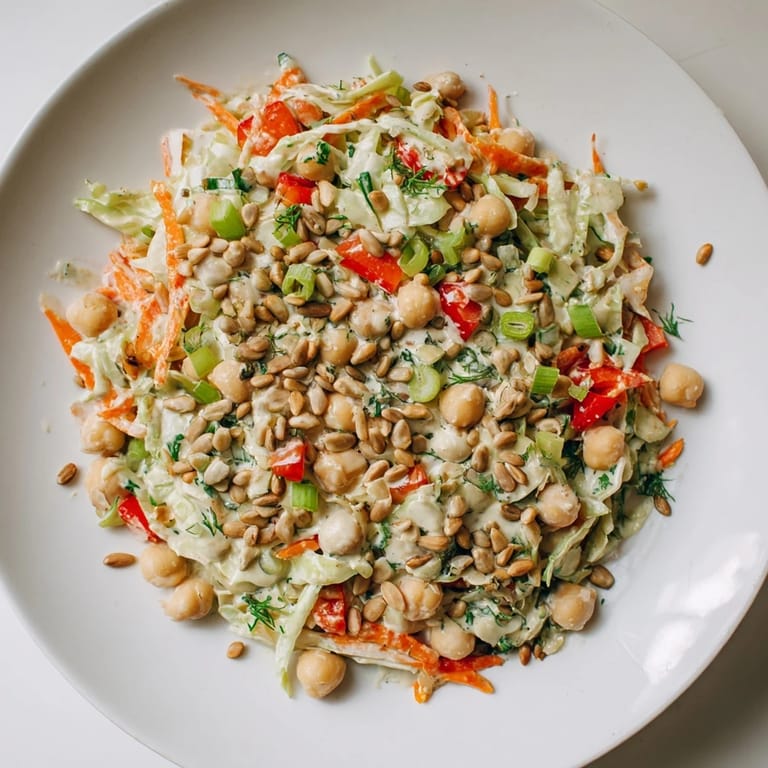
Save There's something about a bowl of chickpeas that makes me feel like I'm doing something right in the kitchen. One afternoon, while chopping vegetables for what was supposed to be a quick lunch, I found myself with a pile of vibrant cabbage, carrots, and fresh herbs that seemed to demand something better than the usual sandwich routine. I mixed in some canned chickpeas I had on hand, whisked together tahini and lemon juice, and what emerged was this bright, fiber-packed salad that somehow tasted like both comfort and energy in every bite.
I brought this salad to a potluck once, not expecting much fanfare, but it was nearly gone within the first hour. A friend came back for a second bowl and asked what made it taste so full, and I realized it was the combination of crunch, creaminess, and the way every vegetable seemed to have its own flavor while working together as one. That moment stuck with me because it showed how the simplest ingredients, balanced thoughtfully, can outshine more complicated dishes.
Ingredients
- Cooked chickpeas: These little legumes are the hearty backbone here, packed with plant protein and fiber that keeps you full for hours. Using canned saves time, but rinsing them well removes excess sodium and that tinny taste.
- Green or red cabbage: The crunch never fades, even after sitting, and either color works beautifully depending on your mood and what you have on hand.
- Shredded carrots: They add natural sweetness and a bright color that makes the whole bowl more inviting without needing any extra sugars.
- Red bell pepper: This brings a subtle sweetness and those pretty flecks of color that make people want to eat the salad before you even set it down.
- Green onions: A whisper of sharp allium flavor that lifts everything without overwhelming, especially important in a raw salad where there's no heat to mellow things out.
- Fresh parsley: Not just for garnish, it adds a clean, almost herbal brightness that ties the whole bowl together.
- Sunflower seeds: Toasted seeds add a nutty depth and satisfying crunch that makes the texture interesting enough to keep eating bite after bite.
- Tahini: This sesame paste is where the magic happens, turning into a creamy dressing without any dairy and adding a distinctive, earthy richness.
- Lemon juice: Freshly squeezed matters here because it cuts through the tahini's richness and keeps the whole salad tasting bright and alive.
- Olive oil: Extra-virgin gives the dressing silky texture and adds a subtle peppery note that balances the sesame.
- Maple syrup or honey: Just enough sweetness to round out the tahini and lemon, creating a dressing that's complex rather than one-dimensional.
- Garlic: Minced fresh garlic brings a gentle punch that makes people ask what the secret ingredient is.
- Cumin: This spice ties the whole salad to Mediterranean and Middle Eastern flavors, adding warmth without heat.
Tired of Takeout? 🥡
Get 10 meals you can make faster than delivery arrives. Seriously.
One email. No spam. Unsubscribe anytime.
Instructions
- Gather and prep your vegetables:
- Rinse your chickpeas well under cold water, letting them drain completely in a colander. While they're draining, shred your cabbage on the fine side of a box grater or use a food processor, then do the same with carrots, working quickly so they stay crisp and don't start to soften.
- Build the salad base:
- Toss the chickpeas, cabbage, carrots, bell pepper, green onions, parsley, and sunflower seeds in a large bowl, mixing gently so everything is evenly distributed. The salad should look vibrant and full of color at this point.
- Whisk the tahini dressing:
- In a smaller bowl, start with tahini and lemon juice, stirring them together until they combine, which takes a bit of patience and a little muscle. Add the olive oil, maple syrup, minced garlic, cumin, salt, and pepper, whisking constantly while slowly drizzling in cold water until the dressing reaches a pourable consistency that coats the back of a spoon.
- Bring it all together:
- Pour the dressing over the salad and toss with a large spoon or your hands until every vegetable is lightly coated and glistening. Taste a bite and adjust the seasoning if it needs more salt, lemon, or cumin.
- Rest and serve:
- You can eat this immediately while everything is at its crispest, or cover it and chill for 30 minutes while the flavors meld into something even more cohesive. Either way, give it a gentle toss just before serving.
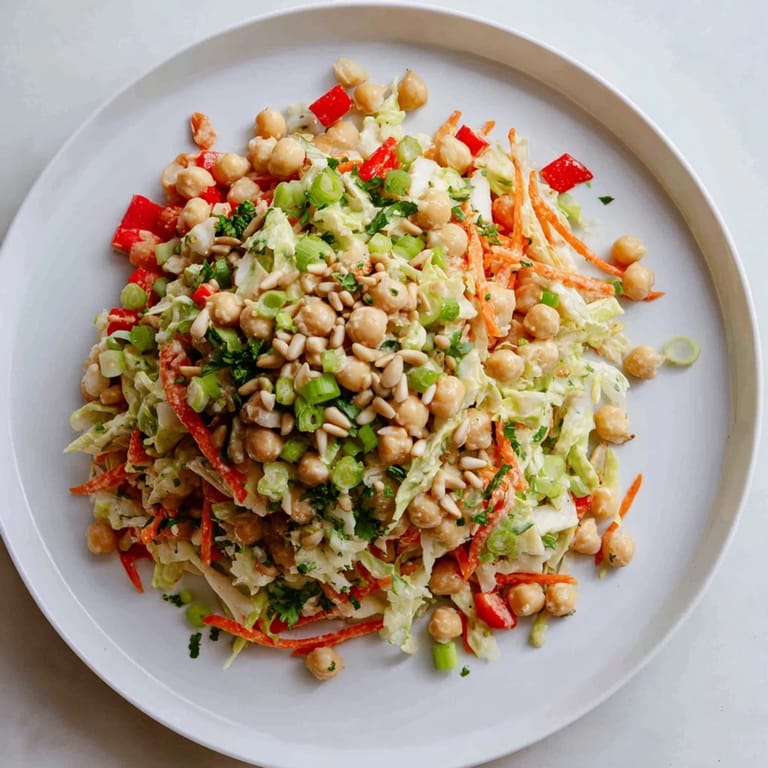 Save
Save The real turning point for this salad came when I stopped trying to eat it as a side dish and started making it the main event. Piled into a bowl with some crusty bread and maybe a spoonful of hummus on the side, it became a lunch I'd actually look forward to, not just something to get through. There's a quiet satisfaction in that kind of shift.
Why This Salad Works as Meal Prep
Unlike delicate lettuces that wilt overnight, the sturdy vegetables in this salad actually hold up beautifully for three to four days in the refrigerator, making it one of the smartest things you can prepare on a Sunday afternoon. The tahini dressing doesn't break or separate, and the chickpeas only absorb more of those flavors as time passes. I've found that storing the dressing separately and tossing it in just before eating keeps the salad at peak crunch, but even mixed together from day one, it tastes wonderful.
The Art of a Perfect Tahini Dressing
Tahini can feel intimidating the first time you work with it, but once you understand that it's just ground sesame seeds, it becomes less mysterious and more exciting. The key is patience and the right ratio of liquid to sesame paste, treating it like you're coaxing a shy ingredient into the spotlight. I've learned to add the lemon juice first, which helps break down the tahini's density, then work in the other ingredients slowly so the flavors develop rather than clash.
Making It Your Own
This salad is forgiving and flexible in the best way, which means you should feel free to riff on it based on what's in your kitchen or what you're craving. Adding thinly sliced radishes brings extra peppery crunch, while diced cucumber adds a cooling note on hot days. You could crumble in some feta if you eat dairy, toast some pumpkin seeds instead of sunflower seeds, or add a pinch of cayenne for heat and drama.
- Swap the sunflower seeds for walnuts, almonds, or pumpkin seeds depending on your preference and what you have on hand.
- Add diced cucumber, sliced radishes, or chopped celery if you want even more crunch and freshness.
- If you're not vegan, a sprinkle of crumbled feta or goat cheese turns this into something even more indulgent.
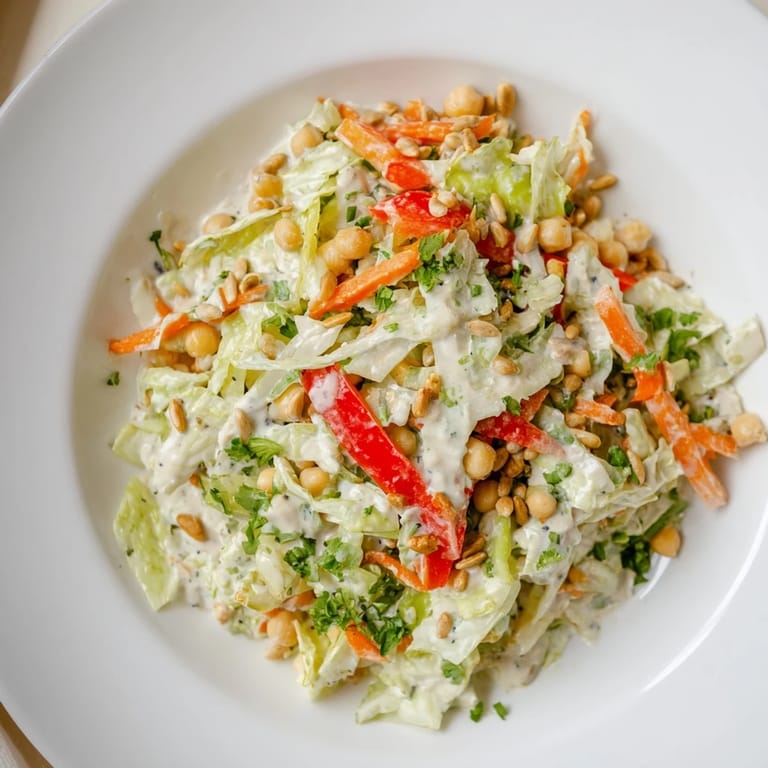 Save
Save What started as a quick lunch solution has become one of my favorite salads to reach for when I want something that feels both nourishing and joyful. It's the kind of dish that proves you don't need complicated techniques or exotic ingredients to create something genuinely delicious.
Recipe Guide
- → What makes this salad high in fiber?
The combination of chickpeas, cabbage, and carrots provides a rich source of dietary fiber, supporting digestion and fullness.
- → Can I substitute the tahini in the dressing?
Yes, you can replace tahini with almond butter or sunflower seed butter for a different flavor and similar creaminess.
- → Is this salad suitable for gluten-free diets?
All ingredients are naturally gluten-free, making this salad safe for gluten-sensitive diets.
- → How should I store the salad after preparation?
Keep it refrigerated in an airtight container. It stays fresh for up to two days, though best enjoyed soon after tossing.
- → Can I add protein to this salad?
Yes, grilled chicken, tofu, or chickpeas enhance protein content and make it more filling as a main dish.
- → What variations can I try for extra crunch?
Incorporate thinly sliced radishes, chopped celery, or swap sunflower seeds for pumpkin seeds for diverse textures.