 Save
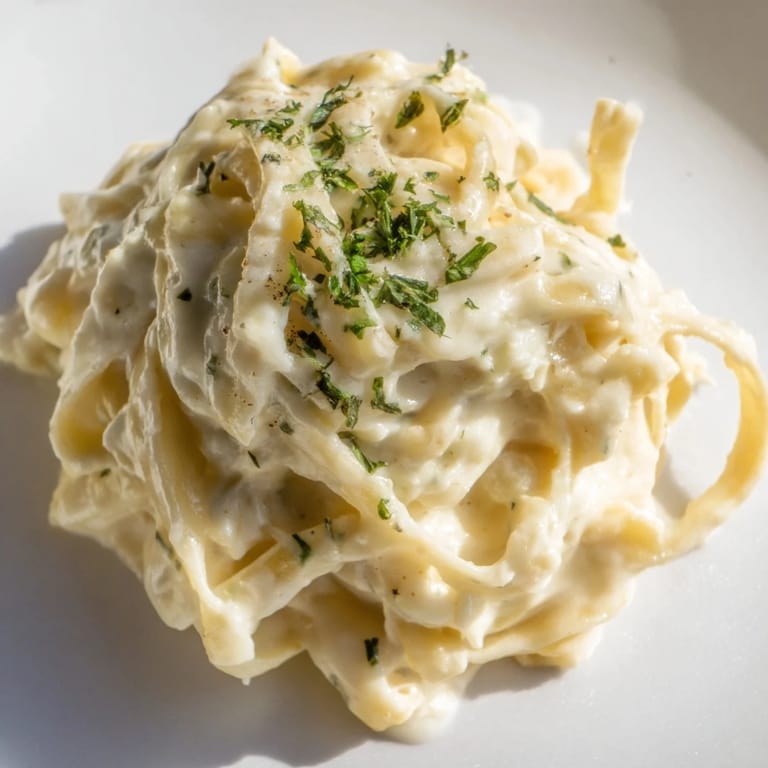
Save My blender was still warm from the cauliflower when I tasted the sauce straight from the pitcher. It was silky, rich, and somehow felt like cheating because there was no heavy cream involved. I'd roasted the cauliflower a little longer than planned that night, and those golden edges turned into the nutty backbone of the whole dish. Sometimes the best recipes are the ones that sneak vegetables into indulgence without anyone noticing.
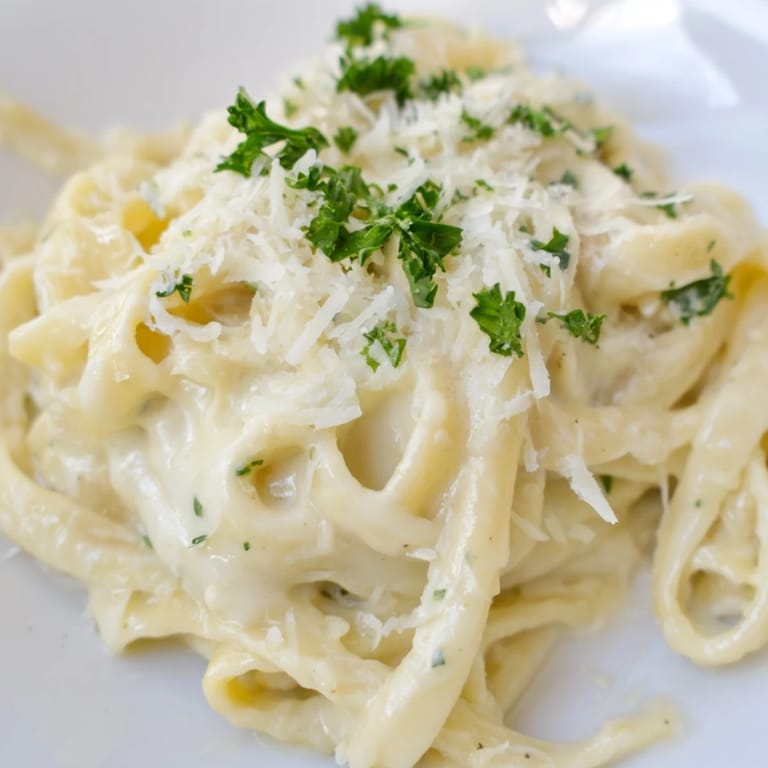
I made this for my sister after she mentioned wanting comfort food that didn't wreck her evening. She twirled the fettuccine, took a bite, and looked up confused in the best way. When I told her it was mostly cauliflower, she laughed and went back for seconds. That's when I knew this recipe had real power.
Ingredients
- Cauliflower: The star here, and roasting it until the edges brown deeply is non-negotiable because that caramelization becomes the sauce's sweetness and body.
- Garlic: Roasting whole cloves mellows their bite into something buttery and almost sweet, blending seamlessly without that raw garlic punch.
- Whole milk: It brings creaminess without overwhelming the cauliflower, and you can thin it with pasta water if the sauce gets too thick.
- Parmesan cheese: Use the real stuff, freshly grated, because pre-shredded doesn't melt the same and can make the sauce grainy.
- Unsalted butter: Adds silkiness and a subtle richness that rounds out the vegetables beautifully.
- Fettuccine: Wide noodles hold the sauce best, but any shape you love will work as long as you save that starchy pasta water.
- Nutmeg: Just a whisper of it adds warmth and makes people wonder what that mystery flavor is.
- Salt and black pepper: Season assertively because cauliflower needs encouragement to shine.
- Fresh parsley and extra Parmesan: A handful of green and a snowfall of cheese make it feel special when you serve it.
Tired of Takeout? 🥡
Get 10 meals you can make faster than delivery arrives. Seriously.
One email. No spam. Unsubscribe anytime.
Instructions
- Get the oven ready:
- Preheat to 425°F and line a baking sheet with parchment so nothing sticks and cleanup stays easy.
- Prep the cauliflower:
- Toss the florets and whole garlic cloves with a tablespoon of butter, spreading them out in a single layer so they roast instead of steam.
- Roast until golden:
- Let them go for 25 to 30 minutes, stirring halfway, until the cauliflower has deep brown edges and the garlic is soft enough to squish with a fork. This is where all the flavor lives.
- Boil the pasta:
- Cook it in generously salted water according to the package, and don't forget to scoop out a cup of that starchy water before draining.
- Blend the sauce:
- Pile the roasted cauliflower, garlic, remaining butter, milk, Parmesan, nutmeg, salt, and pepper into your blender and let it run until it's completely smooth. Add splashes of pasta water if it needs loosening.
- Heat and toss:
- Pour the sauce into a large skillet over medium heat, let it bubble gently, then add the drained pasta and toss until every strand is coated. If it looks tight, add more pasta water a little at a time.
- Serve it up:
- Plate immediately while it's steaming, and finish with a scattering of parsley and extra Parmesan for anyone who wants it.
 Save
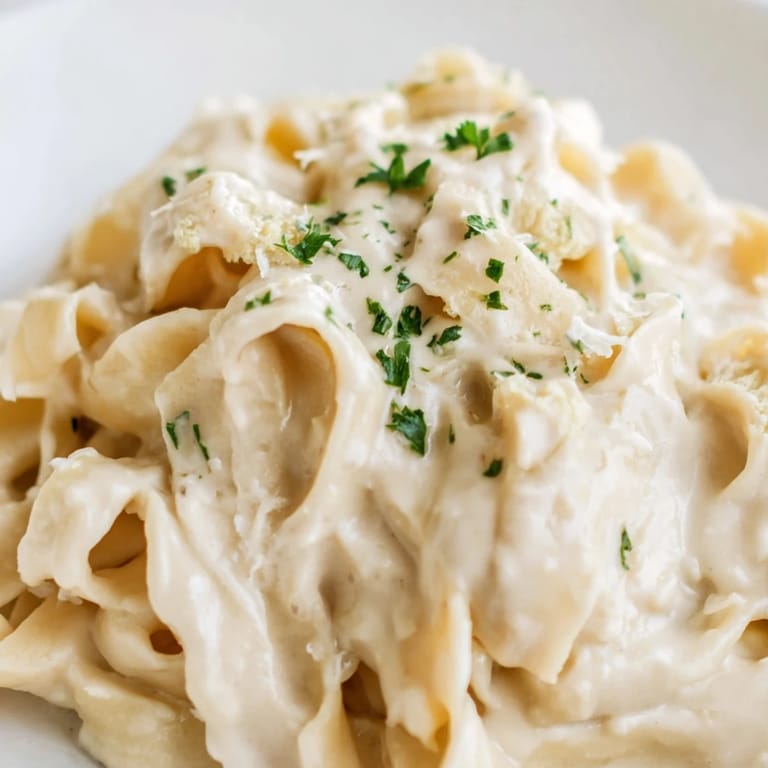
Save The first time I reheated leftovers, I added a splash of milk and warmed it gently in a pan, and it came back just as creamy as the night before. My roommate wandered in following the smell of butter and garlic, and we ended up splitting the last portion with a bottle of wine. It's one of those rare dishes that actually improves your mood on a weeknight.
How to Know When the Cauliflower Is Done
You're looking for florets that are fork-tender and have deep golden to light brown spots on the edges. If they're still pale, give them another five minutes because that color equals flavor. The garlic should be soft enough to mash easily and smell sweet, not sharp.
Making It Your Own
A squeeze of lemon juice at the end brightens the whole dish and cuts through the richness in a way that feels intentional. You can swap in unsweetened almond or oat milk if you want to go lighter on dairy, though the sauce won't be quite as luscious. For a little heat, I've added a pinch of red pepper flakes to the blender, and it gave the sauce a gentle kick without overwhelming the cauliflower.
Storing and Reheating
The sauce keeps in the fridge for up to three days in an airtight container, and it will thicken as it cools. When you reheat it, do it gently over low heat with a splash of milk or pasta water, stirring constantly so it doesn't break. I've even frozen it in portions, and it defrosts well, though you may need to reblend it briefly to bring back the silky texture.
- Store pasta and sauce separately if you're meal prepping so the noodles don't get mushy.
- Reheat only what you'll eat because the sauce can get grainy if warmed too many times.
- Freeze in silicone muffin cups for single-serve portions that thaw quickly.
 Save
Save This is the kind of recipe that makes you feel clever without much effort, and it turns a regular Tuesday into something worth sitting down for. Keep it in your back pocket for nights when you want comfort without the heaviness.
Recipe Guide
- → Can I make this sauce ahead of time?
Yes, you can prepare the roasted cauliflower mixture up to 2 days in advance. Store it in an airtight container in the refrigerator. When ready to serve, blend and reheat gently on the stovetop, adding pasta water to reach desired consistency.
- → What pasta works best with this sauce?
Fettuccine is traditional and pairs beautifully with this creamy sauce. Pappardelle, tagliatelle, or even penne work wonderfully. Choose a shape that captures sauce well in each bite.
- → How do I achieve the perfect sauce consistency?
Reserved pasta water is key. Start with 1/2 cup and add more gradually while blending until you reach a smooth, pourable consistency. The sauce will continue to coat the pasta as it heats.
- → Is this suitable for dairy-free diets?
Absolutely. Substitute whole milk with unsweetened oat or almond milk, use dairy-free butter, and replace Parmesan with nutritional yeast or a plant-based Parmesan alternative for a satisfying dairy-free version.
- → Can I add protein to make it heartier?
Definitely. Roasted chickpeas, crispy tofu, or white beans blend seamlessly into the sauce. Sautéed mushrooms or spinach also complement this dish beautifully.
- → Why is the cauliflower roasted rather than boiled?
Roasting develops deeper, caramelized flavors compared to boiling, which can make cauliflower watery and bland. The golden, tender florets create a richer, more nuanced sauce.