 Save
Save My neighbor brought me fresh pineapple from her garden one afternoon, and I had leftover chicken thighs staring at me from the fridge. I wasn't planning anything fancy, just something quick before the evening slipped away. That's when I remembered a teriyaki bowl I'd had at a food truck months earlier. The sweetness of the sauce against the tang of pineapple stuck with me, so I decided to recreate it without overthinking. What came together that night has been on repeat ever since.
I made this for my cousin who swore she didn't like anything with ginger. She finished her bowl and asked if there was more rice left. I didn't tell her about the ginger until later, and she just laughed. Sometimes the flavors blend so well that what you think you don't like becomes invisible. That bowl turned into a quiet weeknight staple, the kind of meal that doesn't need an occasion but somehow makes the evening feel a little better anyway.
Ingredients
- Boneless, skinless chicken thighs or breasts (1.5 lbs): Thighs stay juicier and more forgiving if you cook them a minute too long, but breasts work if that's what you have.
- Soy sauce (1/3 cup): This is the salty backbone of the sauce. Use low-sodium if you're cautious about salt, or go gluten-free if needed.
- Mirin (1/4 cup): The sweetness here is softer than sugar alone. If you don't have it, a splash of white wine with a pinch of sugar works in a pinch.
- Brown sugar (2 tbsp) and honey (2 tbsp): Together they create that sticky glaze that coats the chicken. Don't skip the honey, it adds a floral note sugar can't replicate.
- Rice vinegar (1 tbsp): A little acid brightens everything and keeps the sauce from feeling too heavy.
- Garlic (2 cloves, minced) and fresh ginger (1 tsp, grated): These two are the aromatic foundation. Fresh ginger is worth it here, the powdered stuff just doesn't hit the same.
- Sesame oil (1 tsp): A small amount goes a long way. It adds a toasty, nutty finish that makes the whole dish feel complete.
- Cornstarch slurry (1 tbsp cornstarch plus 2 tbsp water): This is what turns the sauce from watery to glossy and thick. Mix it just before adding so it doesn't clump.
- Jasmine or short-grain white rice (2 cups): Jasmine is fragrant and fluffy, short-grain is sticky and comforting. Either works beautifully under the chicken.
- Broccoli, carrots, red bell pepper, snap peas (4 cups total): Use what looks good at the store. The variety adds color and crunch, but you can simplify if you're short on time.
- Vegetable oil (1 tbsp): Just enough to keep the vegetables from sticking. Any neutral oil works.
- Fresh pineapple (1 cup, diced): This is the surprise that makes the bowl feel special. Canned works if that's easier, just drain it well.
- Scallions (2 tbsp, sliced) and toasted sesame seeds (1 tsp): The final touches that make it look as good as it tastes.
Tired of Takeout? 🥡
Get 10 meals you can make faster than delivery arrives. Seriously.
One email. No spam. Unsubscribe anytime.
Instructions
- Get the rice going:
- Rinse the rice until the water runs clear, then combine it with water and a pinch of salt in a saucepan. Bring it to a boil, reduce the heat, cover, and simmer for 15 minutes, then let it rest off the heat for 10 minutes.
- Mix the teriyaki sauce:
- Whisk together soy sauce, mirin, brown sugar, honey, rice vinegar, garlic, ginger, and sesame oil in a small bowl. The smell alone will make you hungry.
- Marinate the chicken:
- Toss the chicken pieces with half of the teriyaki sauce and let them sit while you prep the vegetables. Even 10 minutes makes a difference.
- Stir-fry the vegetables:
- Heat oil in a large skillet or wok over medium-high heat, then add the broccoli, carrots, bell pepper, and snap peas. Stir-fry for 3 to 4 minutes until they're crisp-tender, then remove and set aside.
- Cook the chicken:
- In the same pan, add the marinated chicken and cook for 6 to 8 minutes, stirring occasionally, until browned and cooked through. The edges should get a little caramelized.
- Thicken the sauce:
- Pour in the remaining teriyaki sauce, then add the cornstarch slurry. Simmer for 2 to 3 minutes until the sauce is thick and glossy, coating the chicken completely.
- Build the bowl:
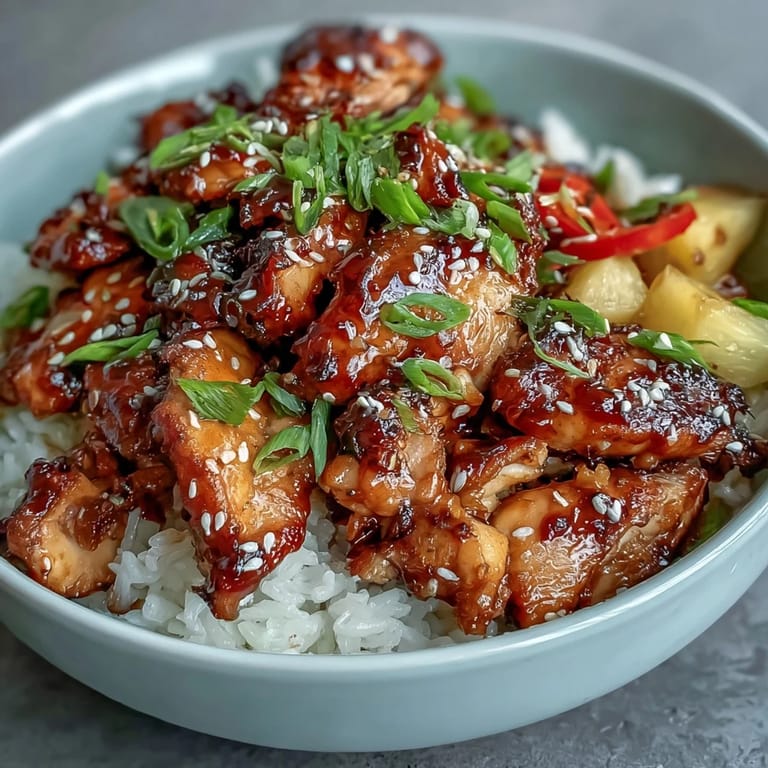
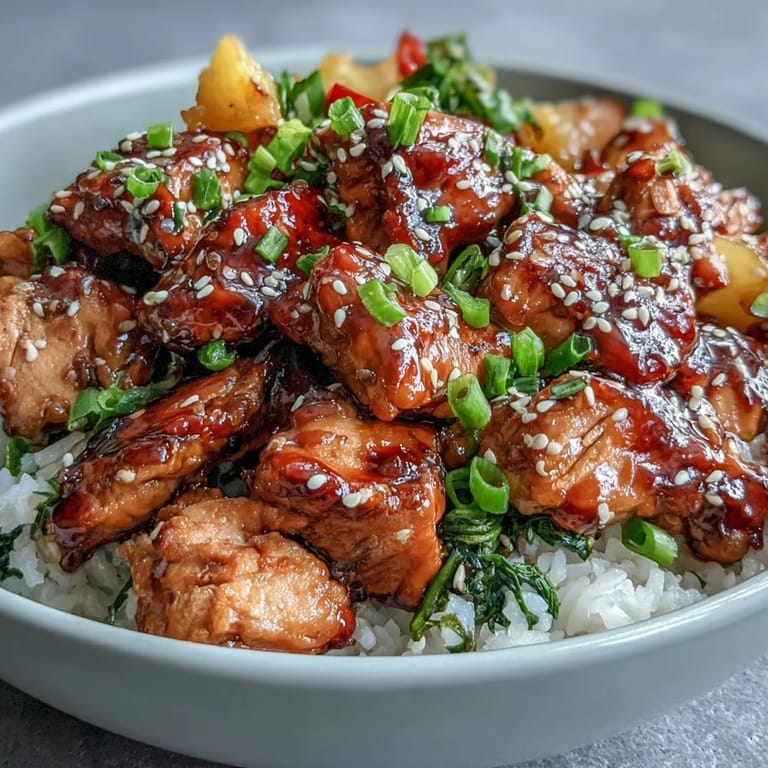
- Fluff the rice and divide it among four bowls. Top with teriyaki chicken, sautéed vegetables, and diced pineapple, then sprinkle with scallions and sesame seeds.
 Save
Save One night I served this to a friend who'd just moved into a new apartment with nothing but a hot plate and a single pan. She took one bite and said it tasted like the kind of meal you make when you finally feel at home. I hadn't thought of it that way before, but she was right. There's something about a bowl like this that feels both simple and complete, like proof that you don't need much to make something worth sitting down for.
Swapping the Protein
I've made this with tofu, tempeh, and even shrimp when I had them thawing in the fridge. Press the tofu well and cut it into cubes so it crisps up in the pan. Tempeh takes on the marinade beautifully if you steam it first for a few minutes. Shrimp cooks faster than chicken, so watch it closely and pull it off the heat as soon as it turns pink. The sauce works with anything, really.
Vegetable Flexibility
I've tossed in mushrooms, zucchini, baby corn, and even frozen edamame depending on what I had around. The key is cutting everything to a similar size so it cooks evenly. If you're using something watery like zucchini, add it toward the end so it doesn't turn mushy. Frozen vegetables work too, just make sure they're fully thawed and patted dry before they hit the pan.
Storing and Reheating
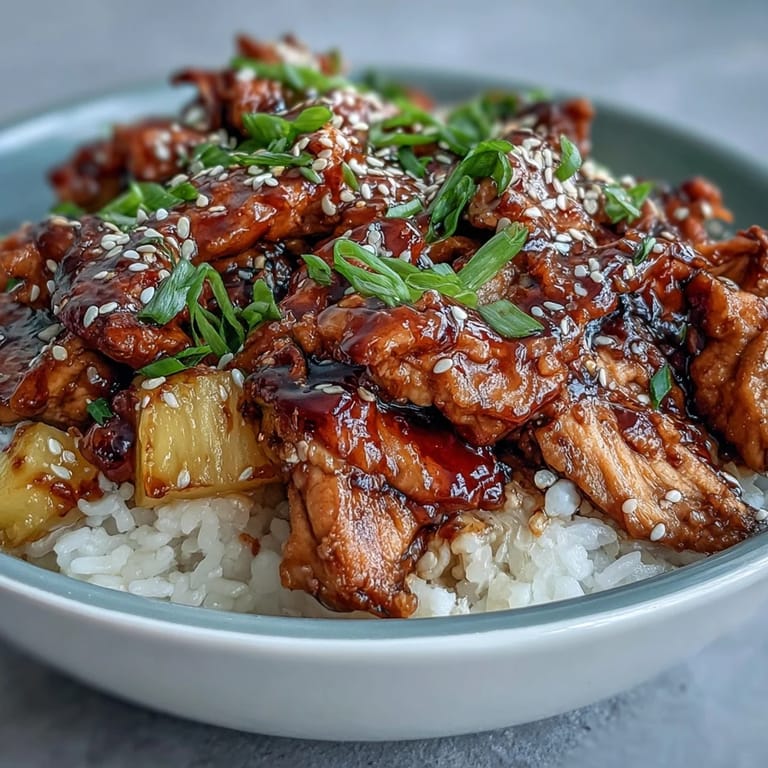
Leftovers keep in the fridge for up to three days, and they reheat surprisingly well. I store the rice, chicken, and vegetables in separate containers so nothing gets soggy. When I'm ready to eat, I reheat everything in a skillet with a splash of water to loosen the sauce. The pineapple and garnishes are best added fresh.
- If the sauce thickens too much in the fridge, a tablespoon of water brings it back to life.
- Day-old rice actually fries up better than fresh, so this is a great excuse to make extra.
- Don't reheat pineapple with the rest, it turns weirdly soft and loses its brightness.
 Save
Save This bowl has become one of those meals I make without thinking, the kind that feels like muscle memory. It's reliable, adaptable, and always disappears faster than I expect.
Recipe Guide
- → What makes a good teriyaki sauce?
A traditional teriyaki sauce balances soy sauce for saltiness, mirin for sweetness and gloss, brown sugar or honey for depth, rice vinegar for acidity, and aromatics like garlic and ginger. The cornstarch slurry creates that signature thick, glossy coating that clings perfectly to the chicken.
- → Can I use other cuts of chicken?
While boneless thighs remain juicy and tender, chicken breasts work well too—just avoid overcooking. For maximum flavor, leave the skin on bone-in thighs and remove after cooking, or use drumsticks for a casual presentation.
- → How do I prevent mushy vegetables?
Stir-fry over medium-high heat and keep the vegetables moving. Cook just until crisp-tender, about 3–4 minutes. Remove from the pan before cooking the chicken so they don't overcook, then add them back at the end to reheat briefly.
- → Can I make this vegetarian?
Substitute firm tofu or tempeh for the chicken. Press the tofu to remove excess moisture, cube it, and pan-fry until golden before adding the sauce. The teriyaki glaze works beautifully with plant-based proteins.
- → What rice works best?
Short-grain white rice creates that authentic sticky texture perfect for bowl-style dining. Jasmine rice adds lovely floral notes, while brown rice offers nuttiness and extra fiber—just adjust the cooking time and liquid accordingly.
- → How long does the sauce keep?
The teriyaki sauce stores in an airtight container in the refrigerator for up to two weeks. Use it as a marinade, glaze, or dipping sauce for other proteins, vegetables, or even drizzled over roasted vegetables.